
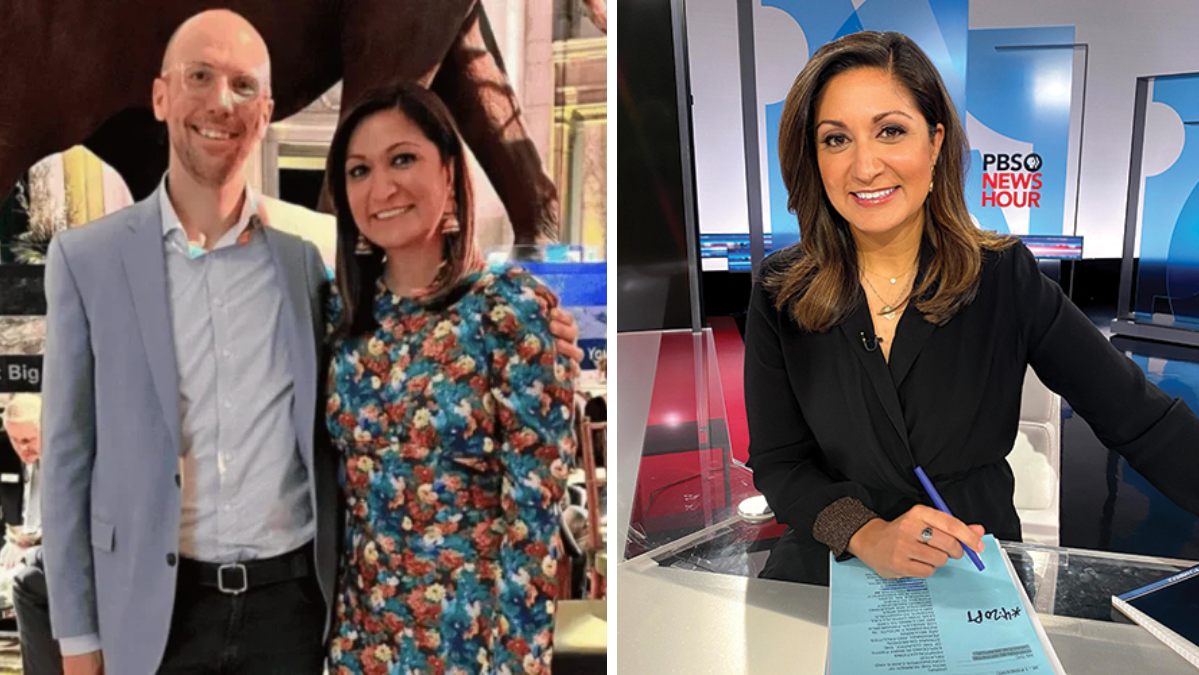
In the evolving world of journalism, where digital transformation continues to redefine how stories are told and consumed, few professionals have quietly shaped the landscape as effectively as Paul Werdel. Known for his editorial expertise, newsroom leadership, and forward-thinking approach to media, his career reflects the broader shift from traditional publishing to digital-first storytelling. While not a household name in the same way as media personalities, his influence runs deep within respected institutions and among journalists who value integrity, clarity, and innovation.
The journey of Paul Werdel is one that intersects with major developments in modern journalism. From working within legacy media organizations to contributing to the digital transition that defines today’s news ecosystem, his work highlights the importance of adaptability and editorial vision. Understanding his path offers valuable insight into how journalism has changed over the past two decades and what it takes to remain relevant in a competitive and fast-paced industry.
Early Life, Education, and Foundations in Journalism
The early years of any media professional often reveal the seeds of their future success, and this holds true in the case of Paul Werdel. While not extensively documented in public-facing biographies, his educational background and early career choices suggest a strong grounding in communication, critical thinking, and storytelling. These foundational elements are essential in shaping a journalist capable of navigating both traditional reporting and digital innovation.
Education plays a central role in developing a journalist’s voice, and it is evident that Werdel benefited from an environment that encouraged analytical thinking and curiosity. Journalism is not simply about writing; it involves understanding context, verifying facts, and presenting information in a way that resonates with diverse audiences. This combination of skills becomes especially important in an era where misinformation can spread rapidly, and credibility is everything.
As he entered the professional world, Werdel’s early experiences likely exposed him to the rigors of newsroom culture. Deadlines, editorial standards, and collaboration with other journalists would have shaped his approach to content creation. These formative experiences laid the groundwork for a career that would eventually intersect with some of the most respected institutions in modern journalism.
Career Beginnings and Entry into Major Newsrooms
Breaking into the journalism industry requires persistence, talent, and often a willingness to start in demanding roles. Paul Werdel’s early career reflects these realities, as he worked his way through various editorial positions that allowed him to refine his skills and build a reputation for reliability and insight.
Newsrooms are dynamic environments where decisions must be made quickly and accurately. For someone like Werdel, this meant learning how to balance speed with precision, ensuring that stories were both timely and trustworthy. Early roles often involve editing, fact-checking, and supporting senior journalists, but they also provide invaluable exposure to the inner workings of media organizations.
During this phase of his career, Werdel developed a strong understanding of audience needs. Journalism is ultimately about serving readers, viewers, and listeners, and recognizing what matters to them is key. This audience-first mindset would later become a defining aspect of his work, particularly as the industry shifted toward digital platforms where engagement metrics play a significant role.
The transition from entry-level roles to more influential positions is rarely straightforward, but Werdel’s steady progression demonstrates both competence and adaptability. These qualities would prove essential as he moved into roles that required leadership and strategic thinking.
Rise to Prominence in Digital Journalism
As the media landscape began to shift in the early 2000s, digital journalism emerged as a dominant force. Traditional newspapers and magazines faced declining print circulation, while online platforms offered new opportunities for growth and innovation. Paul Werdel positioned himself at the forefront of this transformation, embracing the possibilities of digital storytelling.
Digital journalism is not simply about publishing content online; it involves rethinking how stories are structured, presented, and distributed. Werdel’s work during this period reflects a deep understanding of these changes. He recognized that readers were no longer passive consumers but active participants who engaged with content through comments, shares, and social media interactions.
One of the key challenges in digital journalism is maintaining editorial standards while adapting to new formats. Werdel’s approach balanced innovation with integrity, ensuring that quality was never sacrificed for speed or convenience. This commitment to excellence helped establish his reputation as a trusted editor and leader in the field.
The rise of mobile technology further accelerated the shift toward digital content. Readers increasingly accessed news on smartphones and tablets, requiring journalists to create content that was both concise and engaging. Werdel’s ability to adapt to these changes demonstrates his forward-thinking mindset and willingness to embrace new tools and techniques.
Leadership Roles and Editorial Influence
Leadership in journalism extends beyond managing teams; it involves setting a vision for how stories are told and ensuring that editorial standards are upheld. Paul Werdel’s career includes significant leadership roles where he influenced not only the content produced but also the culture of the newsroom.
Editors play a crucial role in shaping narratives. They decide which stories are prioritized, how they are framed, and what perspectives are included. Werdel’s editorial decisions reflect a commitment to accuracy, fairness, and relevance. These principles are essential in building trust with audiences, especially in an era where skepticism toward media is widespread.
In leadership positions, Werdel would have been responsible for guiding journalists through complex and often sensitive topics. This requires not only editorial expertise but also strong communication skills and emotional intelligence. Supporting a team while maintaining high standards is a delicate balance, and successful leaders understand the importance of both accountability and encouragement.
Another important aspect of editorial leadership is innovation. As technology evolves, newsrooms must adapt to new tools and platforms. Werdel’s work demonstrates an openness to experimentation, whether through multimedia storytelling, data journalism, or audience engagement strategies. This willingness to evolve is a hallmark of effective leadership in modern media.
Contributions to Major Media Organizations
Throughout his career, Paul Werdel has been associated with prominent media organizations that have played a significant role in shaping public discourse. Working within these institutions provides opportunities to reach large audiences and influence how news is reported and consumed.
Media organizations rely on experienced professionals to maintain their credibility and relevance. Werdel’s contributions likely involved overseeing editorial processes, mentoring journalists, and ensuring that content met the highest standards. These responsibilities require a deep understanding of both journalism and the organization’s mission.
Collaboration is a key component of working in major media organizations. Journalists, editors, designers, and developers must work together to produce compelling content. Werdel’s ability to navigate these collaborative environments speaks to his versatility and professionalism.
The impact of his work extends beyond individual stories. By contributing to the overall direction of these organizations, Werdel has helped shape the way news is delivered in the digital age. This influence underscores the importance of experienced editors in maintaining the integrity of journalism.
The Evolution of Journalism Through His Career
The career of Paul Werdel mirrors the broader evolution of journalism over the past two decades. From print-focused reporting to digital-first strategies, the industry has undergone significant changes that have redefined how news is produced and consumed.
One of the most notable shifts has been the rise of real-time reporting. With the advent of social media and online platforms, news is now delivered almost instantly. This creates both opportunities and challenges for journalists, who must balance speed with accuracy. Werdel’s experience in navigating this environment highlights the importance of maintaining editorial standards in a fast-paced landscape.
Another major development is the increasing importance of data and analytics. News organizations now have access to detailed insights about audience behavior, allowing them to tailor content to reader preferences. Werdel’s work reflects an understanding of these tools and their role in shaping editorial strategies.
The shift toward multimedia storytelling is also significant. Modern journalism often includes videos, podcasts, and interactive graphics, providing audiences with a richer experience. Werdel’s involvement in digital journalism suggests a familiarity with these formats and a willingness to explore new ways of engaging readers.
Key Milestones in Paul Werdel’s Career
Understanding the trajectory of Paul Werdel’s career involves examining key milestones that highlight his growth and achievements. These milestones provide a clearer picture of his contributions to journalism and the impact he has had on the industry.
| Year/Period | Milestone | Significance |
|---|---|---|
| Early Career | Entry into journalism | Developed foundational reporting and editing skills |
| Mid Career | Transition to digital roles | Adapted to changing media landscape |
| Leadership Phase | Editorial leadership positions | Influenced newsroom direction and standards |
| Recent Years | Continued digital innovation | Contributed to evolving journalism practices |
Each of these milestones represents a step forward in Werdel’s career, reflecting both personal growth and broader industry trends. The ability to adapt to change is a recurring theme, highlighting the importance of flexibility in a rapidly evolving field.
Writing Style, Editorial Philosophy, and Approach
A journalist’s writing style and editorial philosophy are central to their work. Paul Werdel’s approach emphasizes clarity, accuracy, and engagement, ensuring that content resonates with audiences while maintaining high standards.
Clarity is particularly important in journalism, where complex topics must be presented in an accessible way. Werdel’s work reflects an understanding of how to simplify information without losing its depth. This skill is essential in reaching a broad audience and ensuring that stories are understood.
Accuracy is another cornerstone of his editorial philosophy. In an era where misinformation can spread quickly, maintaining credibility is more important than ever. Werdel’s commitment to fact-checking and verification underscores the importance of trust in journalism.
Engagement is also a key consideration. Modern audiences expect content that is not only informative but also compelling. Werdel’s approach to storytelling reflects an awareness of this expectation, incorporating elements that capture attention and encourage interaction.
As one industry observer noted, “Great editors don’t just refine stories; they elevate them.” This perspective aligns with Werdel’s work, highlighting the transformative role of editorial leadership.
Challenges Faced in the Media Industry
The media industry is not without its challenges, and Paul Werdel’s career has likely involved navigating a range of obstacles. These challenges provide insight into the resilience required to succeed in journalism.
One of the most significant challenges is the decline of traditional revenue models. Print advertising, once a major source of income for newspapers, has decreased significantly, forcing organizations to explore new strategies. This shift has required journalists and editors to adapt to changing business models while maintaining editorial integrity.
Another challenge is the rise of misinformation. With the proliferation of online content, distinguishing between credible sources and unreliable information has become more difficult. Werdel’s commitment to accuracy and verification is particularly important in addressing this issue.
The pressure to produce content quickly can also be challenging. Deadlines are tighter than ever, and journalists must work efficiently without compromising quality. Werdel’s experience in fast-paced newsrooms demonstrates his ability to manage these demands effectively.
Influence on Modern Digital Newsrooms
The influence of Paul Werdel extends beyond his individual contributions to the broader structure and operation of digital newsrooms. His work reflects a deep understanding of how journalism must evolve to meet the needs of modern audiences.
Digital newsrooms operate differently from traditional ones, with a greater emphasis on collaboration and technology. Werdel’s experience in this environment highlights the importance of integrating editorial and technical expertise. Journalists must work alongside developers, designers, and data analysts to create content that is both informative and engaging.
Audience engagement is another key aspect of modern newsrooms. Readers are no longer passive consumers but active participants who interact with content in various ways. Werdel’s approach reflects an awareness of this shift, emphasizing the importance of understanding audience behavior.
Innovation is also central to digital journalism. News organizations must continually experiment with new formats and platforms to stay relevant. Werdel’s willingness to embrace change underscores his role in shaping the future of journalism.
Personal Life and Public Perception
While much of the focus on Paul Werdel centers on his professional achievements, his personal life also contributes to public perception. Like many journalists, he maintains a level of privacy, allowing his work to speak for itself.
Public perception of media professionals is often shaped by their contributions rather than their personal lives. Werdel’s reputation as a skilled editor and thoughtful leader reflects the respect he has earned within the industry. This respect is built on years of consistent performance and a commitment to excellence.
Balancing professional responsibilities with personal life is a challenge faced by many in the media industry. The demands of journalism can be intense, requiring long hours and a high level of dedication. Werdel’s ability to maintain this balance speaks to his professionalism and resilience.
Legacy and Long-Term Impact on Journalism
The legacy of Paul Werdel is defined by his contributions to the evolution of journalism. His work has influenced how stories are told, how newsrooms operate, and how audiences engage with content.
Legacy in journalism is not measured solely by individual achievements but by the lasting impact on the industry. Werdel’s emphasis on quality, innovation, and integrity has set a standard for others to follow. These principles are essential in maintaining the credibility of journalism in an increasingly complex media landscape.
As the industry continues to evolve, the contributions of experienced professionals like Werdel remain important. Their insights and expertise provide a foundation for future generations of journalists, ensuring that the core values of journalism are preserved.
Conclusion
The career of Paul Werdel offers a compelling example of how journalism has transformed in the digital age. From his early experiences in traditional newsrooms to his leadership roles in modern media organizations, his journey reflects both adaptability and a commitment to excellence. His contributions to digital journalism, editorial leadership, and newsroom innovation have left a lasting impact on the industry.
Understanding his work provides valuable insight into the challenges and opportunities facing journalism today. As media continues to evolve, the principles that have guided Werdel’s career—accuracy, clarity, and engagement—remain essential. His legacy serves as a reminder of the importance of thoughtful, responsible journalism in shaping public discourse.
FAQ Section
Who is Paul Werdel and why is he important in journalism?
Paul Werdel is a respected journalist and editor known for his contributions to digital journalism and editorial leadership. His work has helped shape modern newsroom practices and the transition from traditional to digital media.
What roles has Paul Werdel held in his career?
Throughout his career, Paul Werdel has held various editorial and leadership roles in major media organizations. These positions have allowed him to influence content strategy, newsroom operations, and journalistic standards.
How has Paul Werdel contributed to digital journalism?
Paul Werdel has played a significant role in adapting journalism to digital platforms. His work emphasizes audience engagement, multimedia storytelling, and maintaining editorial integrity in an online environment.
What is Paul Werdel’s editorial philosophy?
His editorial philosophy centers on accuracy, clarity, and engagement. He prioritizes delivering reliable information while making content accessible and compelling for modern audiences.
What impact has Paul Werdel had on modern newsrooms?
Paul Werdel has influenced how digital newsrooms operate by promoting collaboration, innovation, and audience-focused strategies. His contributions have helped shape the evolution of journalism in the digital age.