
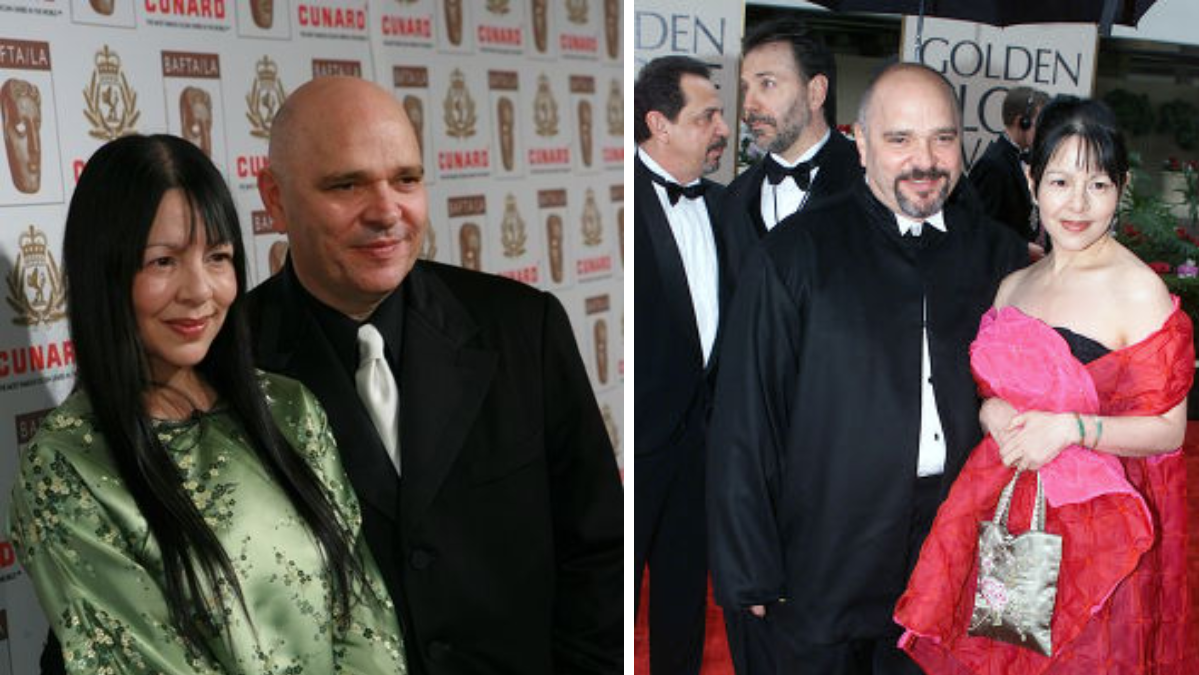
The story of Carolyn Choa is one that reflects creativity, cultural awareness, determination, and artistic excellence. Throughout her career, she has built a reputation as a filmmaker and creative professional whose work transcends geographical boundaries and traditional storytelling conventions. Her contributions to cinema and the arts have attracted attention from audiences, critics, and fellow creatives who appreciate thoughtful narratives and visually compelling filmmaking.
In an entertainment industry often dominated by commercial trends and predictable formulas, some creators choose a different path. They focus on authenticity, emotional depth, and stories that reveal the complexity of human experiences. Carolyn Choa belongs to that category of artists. Her work demonstrates an understanding of culture, identity, relationships, and the power of storytelling as a bridge between people from different backgrounds.
The significance of her career extends beyond individual projects. She represents a generation of creative professionals who have embraced international perspectives while maintaining a strong commitment to meaningful artistic expression. Through filmmaking, writing, and creative collaboration, she has helped shape conversations around representation, cultural exchange, and independent cinema.
As interest in influential filmmakers continues to grow, many people seek deeper insights into her life, achievements, creative philosophy, and impact on the global film industry. Understanding her journey provides valuable lessons about artistic persistence, cross-cultural storytelling, and the evolving nature of modern cinema.
Early Life and Cultural Foundations
Every creative professional is influenced by their upbringing, environment, and early experiences. The foundations that shape an artist often become visible in their later work, influencing themes, visual styles, and storytelling choices.
Growing up with exposure to multiple cultural perspectives can significantly impact the way a filmmaker sees the world. Such experiences encourage curiosity, empathy, and an appreciation for diverse narratives. These qualities frequently become defining characteristics in artists who seek to tell stories that resonate across different societies and communities.
For Carolyn Choa, cultural awareness became an important aspect of her creative identity. Rather than viewing the world through a single lens, she developed an understanding of how different traditions, histories, and experiences intersect. This broader perspective would later influence her professional projects and artistic collaborations.
The influence of family, education, travel, and community often plays a major role in shaping future filmmakers. Exposure to literature, visual arts, music, and cinema during formative years can inspire creative ambitions that eventually evolve into professional careers. Such influences contribute to a filmmaker’s unique voice and ability to connect with audiences on an emotional level.
Many successful directors and writers have described their early years as a period of observation and discovery. They learned to notice details, understand human behavior, and appreciate the stories unfolding around them. These experiences frequently become the foundation upon which creative careers are built.
Educational Journey and Development of Creative Skills
The path toward becoming a respected filmmaker typically involves years of learning, experimentation, and artistic growth. Education plays an important role in helping aspiring creators understand both the technical and creative aspects of their craft.
Film production requires a diverse skill set. Directors must understand storytelling, visual composition, editing, sound design, performance direction, and project management. Writers need strong narrative instincts, character development abilities, and an understanding of dramatic structure. Developing these competencies often takes years of study and practice.
During her professional development, Carolyn Choa cultivated a broad range of creative skills that would later support her work across different disciplines. The ability to navigate multiple aspects of filmmaking is particularly valuable in independent cinema, where creative professionals often wear several hats during production.
Educational experiences also expose artists to influential works from different periods and regions. Studying global cinema helps filmmakers understand how storytelling techniques evolve across cultures and generations. This exposure can inspire innovative approaches that blend traditional methods with contemporary perspectives.
Creative education is rarely limited to classrooms. Workshops, collaborations, internships, and real-world projects often provide equally valuable opportunities for growth. Many accomplished filmmakers credit practical experience as one of the most important factors in their artistic development.
The process of learning never truly ends for creative professionals. Every project presents new challenges, encouraging filmmakers to refine their techniques and expand their understanding of the medium. This commitment to continuous growth is often a defining characteristic of successful artists.
Entering the Film Industry and Building a Career
Breaking into the film industry is rarely easy. Competition is intense, resources can be limited, and opportunities often require persistence and resilience. Many filmmakers spend years developing projects, building networks, and refining their craft before achieving broader recognition.
The early stages of a creative career often involve experimentation. Artists test different styles, explore various genres, and collaborate with other professionals to discover their strengths. These experiences contribute to the development of a distinctive artistic voice.
Carolyn Choa entered the industry during a period when independent filmmaking was gaining increased visibility. Advances in technology and evolving audience interests created new opportunities for filmmakers willing to explore unconventional narratives and perspectives.
Success in cinema frequently depends on a combination of talent, determination, and timing. Even highly skilled creators face obstacles, including funding challenges, distribution barriers, and market competition. Navigating these realities requires both artistic vision and practical problem-solving abilities.
Building a reputation takes time. Filmmakers must consistently demonstrate professionalism, creativity, and a commitment to quality. Positive collaborations can lead to new opportunities, while successful projects help establish credibility within the industry.
As her career progressed, she became known for thoughtful storytelling and a willingness to engage with meaningful subject matter. These qualities contributed to her recognition as a filmmaker capable of creating work that resonates with audiences seeking substance and emotional authenticity.
The Artistic Philosophy Behind Her Work
Great filmmakers often possess a clear artistic philosophy that guides their creative decisions. This philosophy influences everything from project selection to visual style and narrative structure.
Storytelling is about more than entertainment. At its best, cinema can encourage reflection, foster empathy, and inspire meaningful conversations. Many respected filmmakers view their work as an opportunity to explore complex human experiences and challenge audiences to see the world differently.
One principle frequently associated with thoughtful filmmaking is authenticity. Audiences tend to connect more deeply with stories that feel genuine and emotionally honest. Authenticity requires careful observation, empathy, and a willingness to engage with nuanced realities.
A well-known filmmaking sentiment captures this idea perfectly:
“The most powerful stories are often the ones that reveal universal truths through personal experiences.”
This perspective aligns with the approach embraced by many internationally respected directors. By focusing on individual lives and relationships, filmmakers can explore broader themes that resonate across cultural boundaries.
The work associated with Carolyn Choa often reflects an appreciation for character-driven storytelling. Rather than relying solely on spectacle or sensationalism, such storytelling emphasizes emotional depth, interpersonal dynamics, and meaningful human connections.
Artistic philosophy also influences visual choices. Cinematography, editing rhythms, sound design, and production design all contribute to the emotional impact of a film. When these elements work together cohesively, they create immersive experiences that remain memorable long after viewing.
Notable Projects and Creative Contributions
A filmmaker’s legacy is ultimately shaped by the body of work they leave behind. Each project contributes to an evolving creative identity while demonstrating growth and experimentation.
Throughout her career, Carolyn Choa has been involved in projects that highlight her commitment to thoughtful storytelling and artistic integrity. Her work often reflects an interest in cultural identity, personal transformation, and the complexities of human relationships.
The creative process behind meaningful films typically involves extensive research, collaboration, and refinement. Writers and directors spend countless hours developing scripts, shaping characters, and ensuring that narratives remain both engaging and authentic.
Film projects also require teamwork. Producers, actors, cinematographers, editors, composers, and designers all contribute to the final result. Successful directors understand how to bring together talented individuals while maintaining a cohesive artistic vision.
The impact of a project cannot always be measured solely through box office performance. Some films achieve significance because they spark conversations, challenge assumptions, or provide representation for underrepresented communities.
Independent cinema, in particular, often prioritizes artistic exploration over commercial formulas. These projects can have a profound influence on audiences despite operating with smaller budgets and limited marketing resources.
Creative contributions extend beyond directing and writing. Mentorship, advocacy, collaboration, and participation in artistic communities also play important roles in shaping the broader cultural landscape.
Key Career Milestones and Professional Highlights
The following table highlights important areas commonly associated with Carolyn Choa’s professional journey and creative achievements.
| Career Area | Significance |
|---|---|
| Filmmaking | Development of meaningful narrative and visual storytelling |
| Screenwriting | Creation of character-driven stories with emotional depth |
| Cultural Storytelling | Exploration of identity, heritage, and global perspectives |
| Independent Cinema | Contribution to artistically ambitious film projects |
| Creative Collaboration | Work alongside talented actors, producers, and artists |
| International Influence | Engagement with audiences across diverse cultural backgrounds |
| Artistic Advocacy | Support for authentic and inclusive storytelling |
| Industry Recognition | Appreciation from critics, peers, and film communities |
These milestones demonstrate the diverse nature of her professional contributions. Rather than focusing exclusively on one area, she has embraced multiple aspects of the creative process.
Such versatility is increasingly valuable in contemporary filmmaking. Artists who understand writing, directing, and collaboration often possess greater flexibility when developing innovative projects.
Influence on Independent Cinema
Independent filmmaking occupies a unique space within the entertainment industry. It provides opportunities for experimentation, risk-taking, and the exploration of stories that may not align with mainstream commercial expectations.
Independent films often emerge from a desire to tell stories that matter. These projects frequently address social issues, cultural experiences, and personal journeys with a level of depth that can be difficult to achieve within larger studio systems.
The influence of Carolyn Choa within this environment reflects her commitment to meaningful storytelling. By prioritizing authenticity and artistic integrity, she has contributed to a tradition of cinema that values substance alongside creativity.
Independent filmmakers face numerous challenges, including limited budgets, distribution constraints, and competitive markets. Despite these obstacles, many continue to create impactful work because they believe in the importance of their stories.
One frequently cited principle among independent artists states:
“Creative freedom is often the greatest resource a filmmaker possesses.”
This perspective highlights the importance of maintaining artistic vision even when resources are limited. Independent cinema thrives because creators remain committed to their ideas and audiences remain interested in diverse storytelling voices.
The influence of independent filmmakers often extends beyond their own projects. Their work can inspire emerging artists, encourage industry innovation, and demonstrate the value of alternative perspectives.
Cross-Cultural Storytelling and Global Perspectives
Modern audiences increasingly appreciate stories that reflect diverse experiences and viewpoints. Globalization has expanded access to international cinema, creating opportunities for filmmakers to reach viewers across continents.
Cross-cultural storytelling requires sensitivity, understanding, and authenticity. Filmmakers must navigate complex topics while avoiding stereotypes and oversimplifications. Success depends on genuine engagement with the communities and experiences being represented.
Carolyn Choa has often been associated with storytelling that reflects international perspectives. Such work helps audiences understand experiences that may differ from their own while emphasizing shared human emotions and aspirations.
Cultural storytelling can serve as a powerful form of connection. Films allow viewers to explore unfamiliar environments, traditions, and viewpoints while recognizing common themes such as family, identity, love, ambition, and resilience.
The best cross-cultural narratives avoid reducing cultures to simplistic representations. Instead, they embrace complexity and nuance, presenting individuals as multidimensional human beings rather than symbols or stereotypes.
As global audiences continue to seek diverse content, filmmakers with international perspectives play an increasingly important role in shaping the future of cinema.
Creative Collaboration and Professional Relationships
Filmmaking is inherently collaborative. Even the most visionary directors rely on teams of talented professionals to bring stories to life.
Successful collaborations are built on trust, communication, and shared goals. Directors must create environments where creative ideas can flourish while ensuring that projects remain focused and cohesive.
Throughout her career, Carolyn Choa has worked alongside a variety of creative professionals. These collaborations contribute to the richness and diversity of cinematic storytelling by combining different talents, experiences, and perspectives.
Actors play a particularly important role in translating written characters into compelling screen performances. Strong director-actor relationships often result in nuanced portrayals that resonate deeply with audiences.
Cinematographers, editors, composers, and production designers also shape the emotional impact of films. Their contributions influence how stories are experienced visually and emotionally.
Creative partnerships often extend beyond individual projects. Long-term collaborations can foster innovation, mutual growth, and a deeper understanding of artistic goals. Many of cinema’s most celebrated achievements have emerged from enduring professional relationships.
Representation and Diversity in Film
The conversation surrounding representation in media has become increasingly important over the past several decades. Audiences want stories that reflect the diversity of real-world experiences and perspectives.
Representation matters because it influences how people see themselves and others. When audiences encounter authentic portrayals of different cultures, identities, and experiences, they gain opportunities for understanding and empathy.
Filmmakers have the ability to shape cultural narratives through the stories they choose to tell. This responsibility encourages thoughtful consideration of whose voices are being heard and how those voices are represented.
The work of Carolyn Choa contributes to broader discussions about diversity and inclusion within creative industries. By engaging with culturally relevant themes and perspectives, she helps expand the range of stories available to audiences.
Authentic representation requires research, collaboration, and respect. It involves listening to communities and ensuring that storytelling remains grounded in genuine experiences rather than assumptions.
As the film industry continues evolving, diversity remains a critical factor in fostering creativity, innovation, and meaningful audience engagement.
Challenges, Growth, and Professional Resilience
Every creative career includes obstacles. Success rarely follows a perfectly predictable path, and filmmakers frequently encounter setbacks, criticism, and uncertainty.
Funding challenges are among the most common difficulties in filmmaking. Securing resources for production can require extensive effort, particularly for independent projects that address unconventional subjects.
Creative professionals must also navigate industry expectations, changing audience preferences, and technological developments. Adapting to these realities while maintaining artistic integrity requires resilience and flexibility.
The career journey of Carolyn Choa illustrates the importance of persistence. Building a lasting creative legacy often involves years of dedication, experimentation, and continuous learning.
Resilience does not mean avoiding failure. Instead, it involves using challenges as opportunities for growth. Many respected filmmakers have described setbacks as valuable experiences that ultimately strengthened their skills and clarified their artistic goals.
Professional growth occurs through reflection, adaptation, and a willingness to embrace new opportunities. Artists who remain curious and open-minded are often better equipped to navigate changing creative landscapes.
The Evolution of Modern Filmmaking
The film industry has undergone dramatic transformations in recent decades. Advances in technology, digital distribution, and streaming platforms have reshaped how stories are produced and consumed.
Modern filmmakers have access to tools that were once unavailable or prohibitively expensive. Digital cameras, editing software, and online distribution channels have democratized aspects of filmmaking, creating opportunities for a wider range of voices.
These changes have also increased competition. Audiences now have access to an unprecedented volume of content from around the world. Standing out requires originality, quality, and a clear artistic identity.
Creators such as Carolyn Choa have navigated this evolving environment by focusing on meaningful storytelling rather than temporary trends. Strong narratives remain valuable regardless of technological changes.
The future of cinema will likely continue blending traditional craftsmanship with emerging innovations. While production methods may evolve, the fundamental human desire for compelling stories remains constant.
Filmmakers who understand both artistic principles and contemporary realities are well positioned to contribute to the industry’s ongoing transformation.
Legacy and Lasting Cultural Impact
The true measure of a filmmaker’s influence extends beyond awards, revenue, or critical acclaim. Legacy is built through the lasting impact of stories and the inspiration they provide to future generations.
Artists leave behind more than completed projects. They contribute ideas, perspectives, and creative standards that continue influencing others long after individual works are released.
Carolyn Choa has established a reputation for thoughtful storytelling and artistic integrity. These qualities contribute to a legacy defined not only by professional accomplishments but also by meaningful cultural contributions.
The most enduring films often resonate because they address universal themes. They explore identity, belonging, relationships, and personal growth in ways that remain relevant across different periods and societies.
Emerging filmmakers frequently look to established artists for inspiration and guidance. Creative careers that demonstrate persistence, authenticity, and excellence can motivate future generations to pursue their own artistic ambitions.
As audiences continue discovering and revisiting impactful works, the influence of dedicated storytellers remains an important part of cinema’s cultural heritage.
Public Interest and Continued Relevance
Interest in filmmakers often grows over time as audiences seek deeper understanding of the people behind influential works. Viewers increasingly appreciate learning about creative processes, artistic philosophies, and career journeys.
The enduring relevance of Carolyn Choa reflects the timeless nature of strong storytelling. While entertainment trends may change, audiences continue valuing authenticity, emotional resonance, and meaningful themes.
Film scholars, critics, and enthusiasts frequently examine the work of respected creators to understand how artistic choices contribute to broader cultural conversations. Such analysis helps preserve and celebrate important contributions to cinema.
Public interest also highlights the growing recognition of international and cross-cultural storytelling. Audiences today are more connected than ever, creating opportunities for films that bridge geographical and cultural boundaries.
Creative professionals who remain committed to quality and authenticity often maintain relevance across multiple generations. Their work continues inspiring discussion, interpretation, and appreciation long after its initial release.
The ongoing attention surrounding her career demonstrates the lasting value of thoughtful artistic expression in an increasingly interconnected world.
Conclusion
Carolyn Choa represents the qualities that define meaningful artistic achievement: creativity, perseverance, cultural awareness, and a commitment to authentic storytelling. Throughout her career, she has contributed to cinema through work that emphasizes emotional depth, human connection, and cross-cultural understanding.
Her journey illustrates the importance of embracing diverse perspectives while remaining true to a unique creative vision. Through filmmaking, writing, and collaboration, she has helped enrich the artistic landscape and expand opportunities for meaningful representation within cinema.
The significance of Carolyn Choa extends beyond individual projects. Her work serves as an example of how storytelling can connect people across cultures, inspire empathy, and encourage deeper reflection on the human experience. As audiences continue exploring her contributions, her influence remains a valuable part of contemporary film culture and the ongoing evolution of global storytelling.
Frequently Asked Questions
Who is Carolyn Choa?
Carolyn Choa is a filmmaker, writer, and creative professional known for her contributions to cinema and storytelling. She has gained recognition for projects that explore cultural identity, human relationships, and meaningful social themes while maintaining a strong artistic vision.
What is Carolyn Choa known for?
Carolyn Choa is known for her work in filmmaking and screenwriting, particularly within projects that emphasize authentic narratives and cross-cultural perspectives. Her creative approach often highlights emotional depth, character development, and thoughtful storytelling.
Why is Carolyn Choa important in independent cinema?
Her importance in independent cinema comes from her commitment to artistic integrity and meaningful storytelling. Carolyn Choa has contributed to a tradition of filmmaking that values originality, cultural awareness, and nuanced portrayals of human experiences.
How has Carolyn Choa influenced cultural storytelling?
Carolyn Choa has influenced cultural storytelling by helping bring diverse perspectives and experiences to the screen. Her work demonstrates how films can foster understanding between different communities while celebrating both individuality and shared human values.
What themes are commonly associated with Carolyn Choa’s work?
Many of the themes associated with Carolyn Choa include identity, belonging, relationships, resilience, cultural heritage, and personal transformation. These themes allow audiences to engage with stories that are emotionally compelling and socially relevant.
What can aspiring filmmakers learn from Carolyn Choa?
Aspiring filmmakers can learn the value of persistence, creative authenticity, and continuous growth. Carolyn Choa’s career highlights the importance of developing a unique voice, embracing collaboration, and remaining committed to meaningful storytelling despite industry challenges.
Why does Carolyn Choa continue to attract public interest?
Carolyn Choa continues to attract public interest because of her artistic achievements, thoughtful storytelling, and contributions to culturally significant cinema. Audiences, critics, and film enthusiasts remain interested in creators whose work reflects both artistic excellence and genuine human insight.