
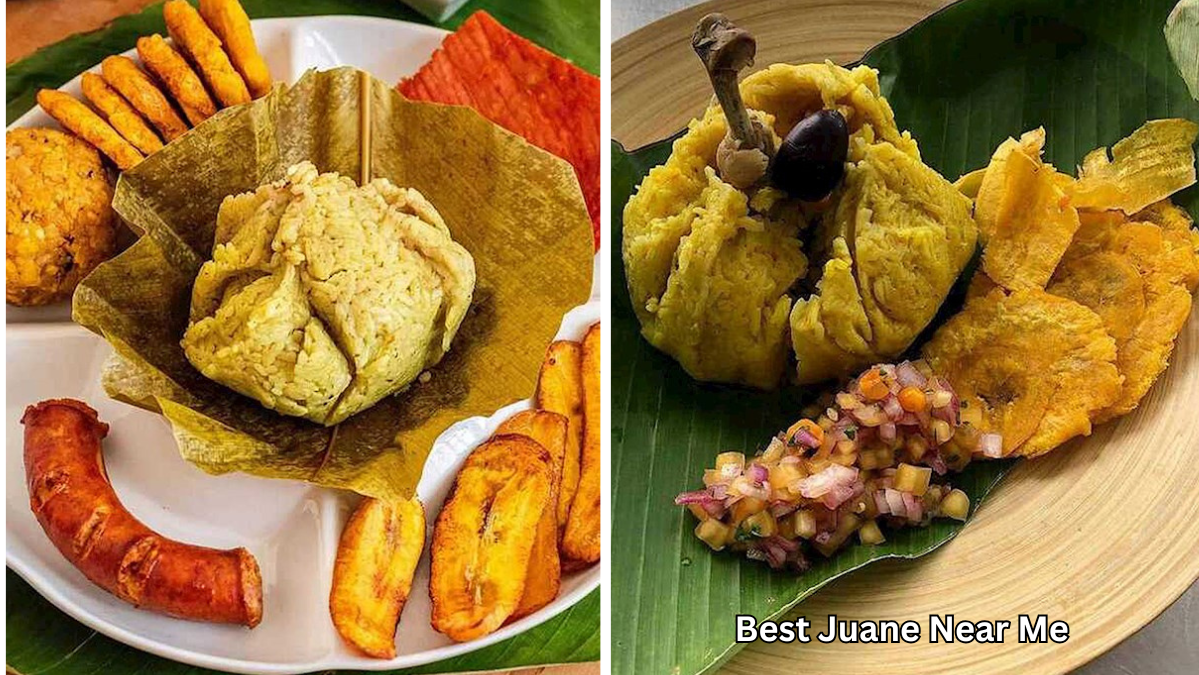
Juane is one of the most iconic dishes from the Peruvian Amazon, deeply rooted in tradition, history, and festive culture. Wrapped in bijao leaves and packed with rice, spices, chicken, olives, and egg, it represents a culinary heritage that goes far beyond simple food. For many food lovers searching for rich Latin American cuisine, the phrase best juane near me becomes a gateway into exploring authentic Amazonian gastronomy that is both comforting and culturally significant.
This dish is especially popular during the Festival of San Juan, celebrated every June across Peru, Ecuador, and parts of the Amazon basin. However, its growing international popularity has made it easier to find in global cities with Latin American communities. Understanding its origins, preparation, and where to enjoy it will help you appreciate why juane is more than just a meal—it is a story wrapped in leaves.
The Cultural Roots and History of Juane
Juane originates from the Peruvian Amazon region, where indigenous cooking techniques combined with Spanish colonial influence created a unique culinary identity. Traditionally prepared during the feast of San Juan Bautista, the dish symbolizes abundance, gratitude, and unity.
Historically, travelers and workers in the jungle needed meals that could last long without spoiling. Wrapping rice, meat, and spices in leaves was a practical solution, which evolved into the modern juane we know today. Over time, regional variations developed, including chicken juane, fish juane, and even vegetarian versions.
Food historian María Luisa Ríos once described it beautifully:
“Juane is not just Amazonian food; it is memory wrapped in leaves, carrying generations of cultural identity in every bite.”
Today, people searching for best juane near me are often not just looking for food, but for an authentic cultural experience that connects them with Amazonian heritage.
Ingredients That Make Juane Unique and Flavorful
Juane stands out because of its distinct ingredients and preparation method. The base is typically seasoned rice mixed with turmeric (achiote), giving it a golden color and earthy aroma. Chicken is the most common protein, though regional recipes may use fish or beef.
Other essential ingredients include boiled eggs, olives, garlic, onions, and a blend of Amazonian spices. The mixture is carefully wrapped in bijao leaves, which not only hold everything together but also infuse a subtle herbal flavor during cooking.
Many chefs emphasize that the quality of ingredients determines the final taste. Fresh jungle herbs and naturally sourced spices elevate the dish from ordinary to extraordinary. This is why food enthusiasts often search for best juane near me when trying to experience authentic Amazonian cuisine outside South America.
How Juane is Traditionally Prepared
The preparation of juane is a careful and symbolic process. First, the rice is cooked with spices until it reaches a slightly firm texture. The chicken is seasoned and often pre-cooked to enhance flavor. Eggs are boiled and peeled, while olives are prepared for layering.
Everything is then assembled inside bijao leaves, forming a tight, round bundle. These bundles are tied securely and boiled until all ingredients blend together. The result is a fragrant, flavorful dish with a slightly smoky aroma from the leaves.
In traditional Amazonian households, juane preparation is often a communal activity. Families gather to prepare dozens of bundles, especially before festivals. This shared cooking process reflects unity and cultural pride, making it more than just a recipe.
Table: Types of Juane and Their Characteristics
| Type of Juane | Main Protein | Flavor Profile | Region Popularity |
|---|---|---|---|
| Chicken Juane | Chicken | Savory, aromatic, slightly smoky | Peru Amazon |
| Fish Juane | River fish | Earthy, light, herbal | Amazon basin |
| Vegetarian Juane | Vegetables, eggs | Mild, fresh, herbal | Urban fusion markets |
| Modern Fusion Juane | Mixed meats or gourmet fillings | Creative, spicy, diverse | International restaurants |
This variety shows how adaptable juane is, making it appealing to both traditional food lovers and modern culinary explorers searching for best juane near me.
Why Juane is Becoming Popular Worldwide
In recent years, Amazonian cuisine has gained global attention, and juane is at the center of this movement. The rise of food tourism, Latin American restaurants, and cultural festivals has helped introduce this dish to new audiences.
Chefs around the world are experimenting with juane by adding gourmet twists while preserving its traditional essence. From food trucks in New York to Latin restaurants in Madrid, juane is slowly becoming a recognized global comfort food.
Another reason for its popularity is its unique presentation. Wrapped in leaves and served as a compact bundle, it offers a visually appealing and memorable dining experience. This makes it a standout choice for those searching online for best juane near me when exploring exotic dishes.
Where to Find Authentic Juane Experience
Finding authentic juane outside the Amazon requires looking for Peruvian or Amazonian restaurants. Many Latin American eateries in major cities include it on seasonal menus, especially during cultural festivals.
In authentic restaurants, juane is often served with traditional sides like boiled yuca, plantains, or spicy chili sauces. The experience is designed to reflect Amazonian dining culture rather than just serving a dish.
Food critics often note that authenticity depends on preparation style. Restaurants that use bijao leaves and traditional seasoning methods provide a more genuine experience compared to simplified versions.
For food explorers, searching best juane near me is often the first step in discovering hidden culinary gems that serve this traditional dish.
Flavor Profile and Taste Experience
Juane offers a rich, layered flavor profile. The first bite reveals seasoned rice infused with spices, followed by tender chicken and the soft texture of boiled egg. The olives add a slight saltiness, balancing the dish perfectly.
The aroma from bijao leaves adds an earthy, herbal fragrance that enhances the overall experience. Unlike heavily processed fast foods, juane feels natural and deeply satisfying.
A chef from the Peruvian Amazon once said:
“Every juane tells a story of the jungle. You taste the river, the forest, and the tradition all in one bite.”
This complexity is what makes people repeatedly search for best juane near me when they crave something authentic and meaningful.
Nutritional Value and Health Benefits
Juane is a balanced dish that provides carbohydrates, protein, and healthy fats. The rice offers energy, while chicken or fish provides essential protein. Eggs add additional nutrients such as vitamin D and B12.
Bijao leaves used in cooking are believed to have natural antimicrobial properties, although their primary role is flavor enhancement. The dish is generally filling and suitable for a complete meal.
Because it is steamed or boiled rather than fried, juane is often considered a healthier traditional dish compared to many modern fast foods.
Modern Variations and Fusion Styles
Modern chefs have introduced creative versions of juane to appeal to global audiences. Some variations include quinoa instead of rice, grilled vegetables, or even vegan alternatives.
Fusion restaurants may serve juane with spicy sauces, international spices, or plated gourmet presentations. While traditionalists prefer the original recipe, these innovations help introduce the dish to a wider audience.
Despite these variations, the core identity remains unchanged, which is why food lovers still rely on searches like best juane near me to find authentic versions.
Quotes from Food Experts and Locals
“A good juane should feel like home, even if you are thousands of miles away from the Amazon.” – Chef Alejandro Vargas
“Juane is the heart of Amazonian festivals. Without it, celebrations feel incomplete.” – Local market vendor, Iquitos
“Once you taste real juane, you understand why it is more than food—it is tradition.” – Culinary critic Laura Mendoza
These perspectives highlight the emotional and cultural value behind the dish.
Tips for Choosing the Best Juane
When looking for authentic juane, freshness and preparation method are key indicators. Restaurants that prepare juane daily and use traditional wrapping techniques usually offer better quality.
Another important factor is seasoning balance. Authentic juane should not be overly salty or spicy but should maintain a natural harmony of flavors.
Many food enthusiasts recommend checking cultural reviews and local Latin American communities for trusted recommendations when searching best juane near me.
Conclusion
Juane is more than just a regional dish—it is a cultural symbol of the Amazon, blending history, tradition, and flavor into a single, memorable experience. From its indigenous roots to its growing international presence, it continues to capture the hearts of food lovers around the world.
Whether enjoyed during festivals or discovered in a local restaurant, juane delivers a unique taste of Amazonian heritage. For anyone exploring global cuisine, the journey often begins with a simple search for best juane near me, leading to an unforgettable culinary experience.
FAQ
What is juane made of?
Juane is made from rice, chicken or fish, eggs, olives, and Amazonian spices, all wrapped in bijao leaves for cooking and flavor infusion.
Why is juane wrapped in leaves?
The leaves help preserve the food, enhance flavor, and maintain moisture during cooking while adding a unique aroma.
Is juane healthy to eat?
Yes, juane is generally healthy as it is boiled or steamed and includes balanced nutrients like protein, carbohydrates, and healthy fats.
When is juane traditionally eaten?
It is most commonly eaten during the Festival of San Juan in June, though it is available year-round in many places.
How can I find authentic juane?
People often search best juane near me to find authentic restaurants serving traditional Amazonian recipes.
What makes juane different from other rice dishes?
Its unique preparation in leaves, Amazonian spices, and cultural significance make it different from standard rice dishes.
Read also: Best Anticucho Boliviano Near Me – Authentic Street Food Guide to Bolivia’s Most Loved Skewer