
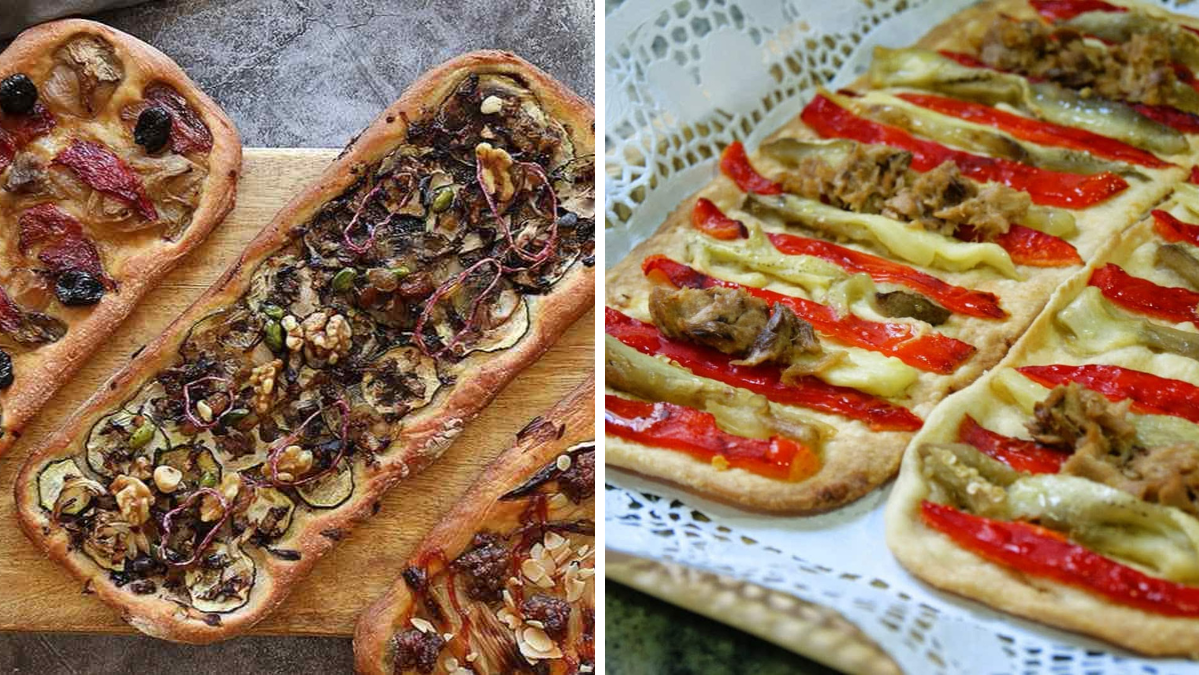
Few regional foods capture the heart of a culinary tradition quite like coca de recapte. This rustic Catalan specialty combines simple ingredients, traditional baking techniques, and generations of local knowledge into a dish that remains deeply connected to its origins. Whether enjoyed at a village bakery, a family gathering, a local market, or a traditional restaurant, coca de recapte offers a memorable experience that reflects the agricultural heritage of northeastern Spain.
For food lovers searching online for the best coca de recapte near me, the journey often begins with curiosity and quickly turns into appreciation. Unlike many modern food trends that rely on elaborate presentation, coca de recapte stands out because of its authenticity. Its appeal comes from roasted vegetables, quality olive oil, artisanal dough, and carefully selected toppings that work together in perfect harmony.
The popularity of this traditional flatbread continues to grow beyond Catalonia. Travelers seek it out during food tours, local restaurants proudly feature it on seasonal menus, and home cooks attempt to recreate its distinctive flavors. Understanding what makes a great coca de recapte can help diners identify truly exceptional examples and enjoy this treasured dish the way it was intended.
Understanding the Origins of Coca de Recapte
Coca de recapte has roots deeply embedded in Catalan rural culture. Historically, farming families would gather vegetables from their harvest and place them on simple bread dough before baking everything together in communal ovens. The word “recapte” roughly translates to provisions or supplies, reflecting the ingredients people had available at home.
This practical approach to cooking evolved into one of the most recognizable dishes in Catalan gastronomy. Over time, communities developed regional variations, incorporating local produce and preserved foods while maintaining the essence of the recipe. The result is a dish that remains versatile while preserving its traditional character.
Food historians often highlight coca de recapte as an example of how necessity can inspire culinary excellence. What began as a practical meal transformed into a celebrated regional specialty. Today, it symbolizes both cultural heritage and the enduring appeal of simple, high-quality ingredients.
As chef Ferran Soler once remarked, “The beauty of coca de recapte lies in its honesty. Every ingredient has a purpose, and every flavor tells a story.”
What Makes Coca de Recapte Unique
Unlike pizza or other flatbreads that rely heavily on cheese and sauces, coca de recapte focuses on vegetables and olive oil. Roasted peppers, onions, eggplant, tomatoes, and occasionally fish or cured meats create a balanced flavor profile that highlights natural ingredients rather than overpowering them.
The dough itself plays a critical role. Traditional recipes produce a crisp yet slightly chewy base capable of supporting toppings without becoming soggy. The texture creates an enjoyable contrast with the softness of roasted vegetables.
Another distinguishing characteristic is versatility. Some versions remain entirely vegetarian, while others include anchovies, sardines, sausage, or cured meats. Despite these variations, the emphasis remains on maintaining harmony between ingredients rather than overwhelming the palate.
This balance contributes significantly to why so many travelers and food enthusiasts continue searching for authentic local versions wherever they go.
Traditional Ingredients Found in Authentic Coca de Recapte
The foundation of an excellent coca de recapte begins with carefully selected ingredients. Although recipes vary between regions and households, certain elements appear consistently.
Fresh vegetables remain the centerpiece. Red peppers, onions, and eggplants are among the most common toppings. These vegetables are often roasted beforehand to deepen their sweetness and create a rich, smoky flavor.
High-quality extra virgin olive oil is equally important. Rather than serving merely as a cooking medium, it becomes a defining flavor component that ties all ingredients together.
The dough typically contains:
| Ingredient | Purpose |
|---|---|
| Flour | Provides structure |
| Water | Creates dough consistency |
| Olive Oil | Adds flavor and texture |
| Salt | Enhances taste |
| Yeast | Supports proper rise |
Additional toppings may include anchovies, sardines, tuna, sausage, or seasonal vegetables depending on local traditions and family recipes.
The best versions avoid excessive complexity. Instead, they emphasize freshness, quality, and balance.
Why Local Bakeries Often Serve the Best Versions
Many travelers discover that neighborhood bakeries consistently produce some of the finest examples of coca de recapte. This reputation comes from a combination of traditional methods, experienced bakers, and access to fresh local ingredients.
Small bakeries frequently prepare dough daily and bake products in carefully maintained ovens. The resulting texture often surpasses mass-produced alternatives. The crust develops a satisfying crispness while maintaining enough softness for comfortable eating.
Local bakeries also tend to follow recipes passed down through generations. These techniques preserve authentic flavors and ensure consistency. In many communities, bakers take great pride in maintaining standards established by previous generations.
The atmosphere contributes as well. Enjoying freshly baked coca de recapte directly from a neighborhood bakery connects diners to local culture in a way that packaged products cannot replicate.
How Restaurants Elevate Traditional Coca de Recapte
Restaurants often approach coca de recapte differently than bakeries. While respecting tradition, chefs may introduce refined techniques, premium ingredients, or creative presentations.
Some establishments source vegetables from nearby farms, highlighting seasonal produce at peak freshness. Others incorporate artisanal cured meats or sustainably sourced seafood to add complexity without compromising authenticity.
Modern culinary interpretations can offer exciting variations while remaining faithful to the dish’s roots. Skilled chefs understand that innovation should complement tradition rather than replace it.
As culinary writer Marta Vidal observed, “A great coca de recapte respects the past while embracing the possibilities of the present.”
This philosophy explains why certain restaurants have become destinations for food enthusiasts seeking memorable experiences.
Signs of a Truly Exceptional Coca de Recapte
Not every version achieves the same level of quality. Knowing what to look for can help diners identify outstanding examples.
A quality coca de recapte typically features a crisp, well-baked crust with evenly distributed toppings. Vegetables should retain their individual character while blending harmoniously with the overall flavor profile.
The olive oil should enhance rather than dominate. Excessive oil can make the dish heavy, while insufficient oil may result in dryness.
Freshness is equally important. Roasted vegetables should taste vibrant and naturally sweet. Fish or meat toppings should complement the vegetables rather than overshadow them.
Texture provides another useful indicator. The contrast between crust and toppings should create an enjoyable eating experience from the first bite to the last.
Regional Variations Across Catalonia
Catalonia’s diverse geography has inspired numerous regional interpretations of coca de recapte. Coastal areas often incorporate seafood toppings, reflecting local fishing traditions.
In inland regions, roasted vegetables take center stage. Some communities add local sausages, while others emphasize seasonal produce harvested from nearby farms.
Mountain villages may feature heartier versions designed to provide sustenance during colder months. Urban centers sometimes present more contemporary adaptations while maintaining core traditional elements.
These regional differences contribute to the dish’s richness and cultural significance. Exploring multiple versions reveals how local environments and traditions influence culinary expression.
For travelers, sampling coca de recapte in different locations becomes an enjoyable way to experience Catalonia’s diversity.
The Role of Seasonal Produce
Seasonality remains central to authentic coca de recapte. Traditional recipes evolved around ingredients available during specific times of the year.
Summer versions often showcase ripe tomatoes, sweet peppers, and fresh onions. Autumn may bring richer flavors through roasted vegetables harvested at peak maturity.
Using seasonal produce improves both flavor and nutritional value. Vegetables harvested at the right time generally contain better texture, aroma, and natural sweetness.
Many respected bakeries and restaurants adjust their offerings throughout the year to reflect seasonal availability. This commitment to freshness helps preserve the authenticity of the dish while providing diners with the best possible experience.
Pairing Coca de Recapte with Beverages
Thoughtful beverage pairings can enhance the enjoyment of coca de recapte. Traditional Catalan wines often provide excellent companions due to their balanced acidity and regional connection.
Light red wines complement versions featuring sausage or cured meats. Crisp white wines pair particularly well with seafood-topped variations.
Sparkling wines can also work beautifully. Their refreshing character balances the richness of olive oil and roasted vegetables.
For non-alcoholic options, sparkling water, herbal infusions, and fresh fruit beverages provide pleasant contrasts without overwhelming the dish.
The key is selecting beverages that support the flavors rather than competing with them.
Why Food Travelers Seek Authentic Experiences
Culinary tourism continues to grow as travelers seek meaningful connections with local culture. Traditional dishes like coca de recapte offer insights into history, agriculture, and community life that extend beyond simple dining experiences.
Searching for the best coca de recapte near me often becomes part of a broader exploration of regional identity. Visitors learn about local ingredients, baking traditions, and family recipes while enjoying memorable meals.
Authentic food experiences create lasting impressions because they engage multiple senses simultaneously. The aroma of freshly baked dough, the vibrant colors of roasted vegetables, and the welcoming atmosphere of local establishments combine to create meaningful memories.
Many travelers ultimately remember these experiences long after returning home.
Tips for Finding High-Quality Coca de Recapte
Finding exceptional coca de recapte requires a combination of research and observation. Establishments with strong local reputations often represent the safest choices.
Fresh preparation is another positive indicator. Venues that bake regularly throughout the day typically offer superior texture and flavor.
Reviews can provide useful insights, particularly when they mention authenticity, freshness, and traditional preparation methods. Recommendations from local residents may prove even more valuable.
Visual inspection also helps. Fresh vegetables, an evenly baked crust, and balanced toppings usually indicate careful preparation.
Those searching for the best coca de recapte near me frequently discover that smaller family-run establishments deliver the most authentic experiences.
Nutritional Benefits of Coca de Recapte
Beyond its cultural importance, coca de recapte offers several nutritional advantages. Vegetables contribute vitamins, minerals, antioxidants, and dietary fiber.
Olive oil provides heart-healthy monounsaturated fats commonly associated with Mediterranean dietary patterns. These fats contribute flavor while supporting overall nutritional quality.
When prepared with moderate portions and quality ingredients, coca de recapte can fit comfortably into a balanced eating plan. The combination of carbohydrates, vegetables, and optional protein toppings creates a satisfying meal.
Compared with many heavily processed alternatives, traditional versions emphasize whole ingredients and minimal additives.
This nutritional profile contributes to the dish’s enduring popularity among health-conscious diners.
The Cultural Significance of Community Ovens
Historically, community ovens played a crucial role in the development of coca de recapte. Families would prepare dough and toppings at home before bringing them to shared ovens for baking.
These communal spaces served practical and social functions. Neighbors exchanged recipes, shared agricultural knowledge, and strengthened community relationships while waiting for food to bake.
The tradition fostered a sense of collective identity that remains visible today in local food festivals and cultural celebrations.
Understanding this history adds depth to the dining experience. Coca de recapte becomes more than a meal; it becomes a symbol of cooperation, resourcefulness, and cultural continuity.
Modern Trends and Contemporary Interpretations
Contemporary chefs continue exploring new possibilities while respecting traditional foundations. Some experiment with heritage grains, organic produce, or artisanal ingredients sourced from local farms.
Others introduce innovative presentations designed to attract new audiences without sacrificing authenticity. These efforts help preserve culinary traditions by keeping them relevant for younger generations.
Despite these innovations, successful interpretations maintain the defining characteristics that make coca de recapte recognizable. The focus remains on quality ingredients, balanced flavors, and respect for regional heritage.
This combination of tradition and creativity ensures the dish’s continued evolution while honoring its origins.
Why Authenticity Matters
Authenticity carries significant value in traditional cuisine because it preserves cultural knowledge accumulated over generations. Recipes reflect local environments, available ingredients, and historical circumstances.
Authentic coca de recapte provides a direct connection to Catalan culinary heritage. Every ingredient and technique contributes to a larger story about regional identity and community traditions.
Maintaining authenticity does not require resisting all innovation. Instead, it involves understanding foundational principles and respecting the values that shaped the dish.
Consumers increasingly appreciate this approach, seeking experiences that feel genuine rather than manufactured.
The ongoing demand for authentic regional foods demonstrates the enduring appeal of culinary traditions rooted in history and craftsmanship.
Enjoying Coca de Recapte at Home
Many enthusiasts eventually attempt to recreate coca de recapte in their own kitchens. While achieving bakery-level results requires practice, home preparation can be highly rewarding.
Success begins with quality ingredients. Fresh vegetables, good olive oil, and properly prepared dough provide the foundation for excellent results.
Roasting vegetables beforehand enhances sweetness and concentrates flavor. Allowing dough sufficient time to develop improves texture and overall quality.
Home cooks should focus on balance rather than complexity. Traditional recipes demonstrate that a few excellent ingredients often outperform lengthy ingredient lists.
The process itself can become a celebration of culinary heritage, bringing family and friends together around a shared meal.
Conclusion
Coca de recapte represents far more than a simple flatbread. It embodies centuries of culinary tradition, agricultural heritage, and community values. From humble rural origins to respected restaurant menus, this beloved Catalan specialty continues to capture the attention of food lovers around the world.
Whether enjoyed at a neighborhood bakery, a traditional restaurant, a local festival, or a family table, coca de recapte delivers a memorable combination of flavor, texture, and authenticity. The growing interest in regional cuisine ensures that future generations will continue discovering and appreciating this remarkable dish.
For anyone searching for the best coca de recapte near me, the reward lies not only in finding an exceptional meal but also in experiencing a meaningful piece of Catalan culture. Every bite reflects a tradition built on quality ingredients, careful preparation, and respect for the simple pleasures of good food.
FAQ
Where can I find the best coca de recapte near me?
The best coca de recapte near me is often found in traditional bakeries, family-owned restaurants, and specialty establishments that emphasize authentic Catalan recipes. Fresh preparation, quality ingredients, and strong local reviews are usually reliable indicators of excellence.
What ingredients are commonly used in coca de recapte?
Traditional coca de recapte typically includes bread dough, olive oil, roasted peppers, onions, and eggplant. Depending on regional preferences, toppings may also include anchovies, sardines, tuna, sausage, or other local ingredients.
Is coca de recapte similar to pizza?
While both dishes feature dough and toppings, coca de recapte differs significantly from pizza. It generally focuses on roasted vegetables and olive oil rather than tomato sauce and cheese, resulting in a distinct flavor profile and texture.
Can vegetarians enjoy coca de recapte?
Yes. Many traditional versions are naturally vegetarian and rely entirely on vegetables, olive oil, and dough. Vegetarian preparations remain among the most popular and authentic forms of the dish.
What beverage pairs well with coca de recapte?
Light red wines, crisp white wines, sparkling wines, and refreshing non-alcoholic beverages pair well with coca de recapte. The ideal pairing depends on the specific toppings and personal preference.
Why is coca de recapte important in Catalan culture?
Coca de recapte reflects Catalonia’s agricultural traditions, community baking practices, and commitment to quality local ingredients. It serves as both a beloved food and a symbol of regional heritage.
Can I make authentic coca de recapte at home?
Absolutely. Using fresh vegetables, quality olive oil, and properly prepared dough can produce excellent homemade results. Traditional recipes are straightforward and reward careful attention to ingredient quality and baking technique.
Read also: Best Pollo al Chilindron Near Me: A Complete Guide to Finding Authentic Flavor