
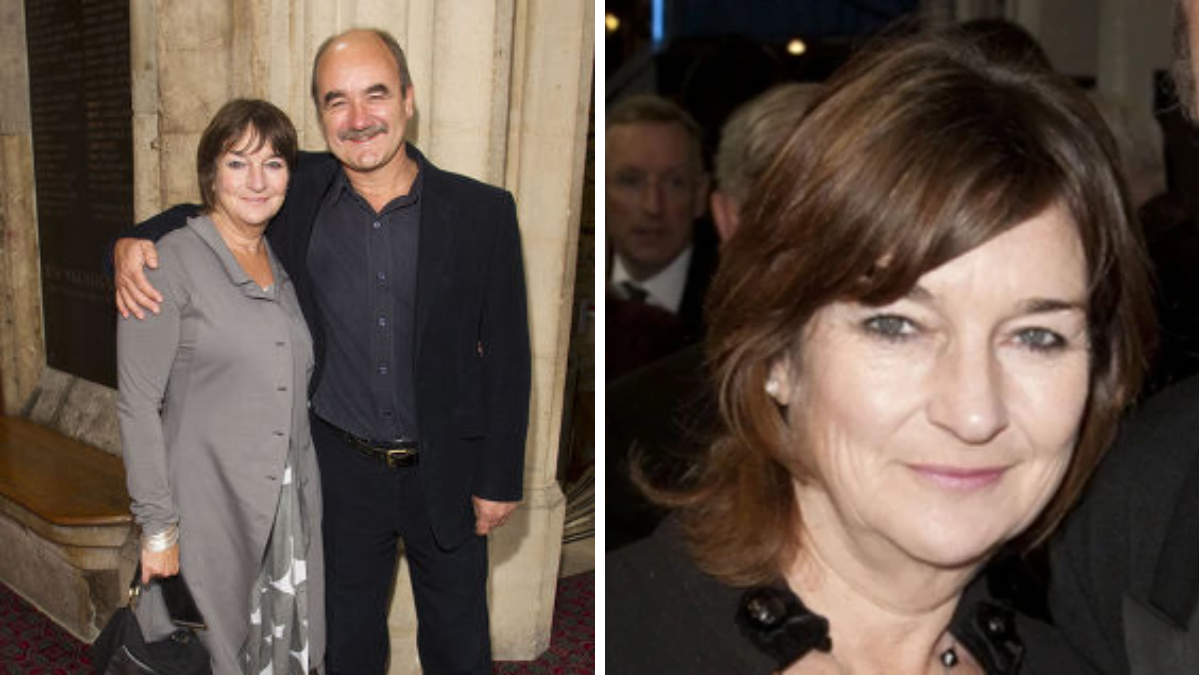
The internet has a remarkable way of turning certain names into recurring points of curiosity. Some people become famous through blockbuster achievements, others through cultural association, and some through the subtle but persistent attention that builds around their identity over time. Jane Galloway belongs to that fascinating category of individuals whose name continues to generate interest because it carries an air of sophistication, mystery, intelligence, and relevance in modern cultural discussion.
In today’s media environment, audiences are no longer interested only in celebrities with massive public personas. Increasingly, people are drawn toward figures whose influence feels authentic, understated, and intellectually grounded. That shift explains why names like jane galloway continue appearing in searches, conversations, and digital archives. There is an appeal in personalities who embody professionalism and creativity without relying entirely on spectacle.
Public curiosity surrounding influential individuals often reveals broader cultural patterns. Society tends to admire people who project competence, depth, resilience, and individuality. Whether connected to media, literature, broadcasting, creative arts, education, or public commentary, the image associated with Jane Galloway reflects these qualities in meaningful ways. Interest in her name has expanded because modern audiences appreciate nuanced public figures who feel relatable while still maintaining a level of distinction.
Another reason the topic continues gaining traction is the growing importance of personal narratives. Readers no longer want surface-level celebrity coverage alone. They want context. They want to understand motivations, background, professional development, and cultural significance. The discussion around Jane Galloway has therefore evolved beyond simple identification and toward a larger examination of influence, reputation, and long-term relevance in a rapidly changing world.
The digital age has also transformed how recognition works. Visibility no longer depends solely on traditional fame structures like Hollywood studios or major television networks. A person can become widely discussed through professional excellence, online discovery, intellectual contribution, or even through association with larger cultural themes. That broader landscape allows figures with refined and thoughtful public identities to receive meaningful attention from readers seeking substance instead of noise.
What makes the fascination especially compelling is the balance between familiarity and intrigue. The name itself carries a memorable cadence, while the public perception attached to it often emphasizes intelligence, composure, and credibility. In many ways, modern audiences respond positively to figures who avoid excessive self-promotion while still leaving a lasting impression through their work and presence.
A media analyst once noted, “The public remembers people who communicate authenticity more than those who merely chase visibility.” That observation helps explain why interest continues to grow around personalities whose influence develops naturally rather than through aggressive branding alone.
The broader conversation surrounding public identity today includes topics like digital reputation, professional integrity, creative longevity, and cultural resonance. These themes intersect directly with the ongoing interest in Jane Galloway, making her an intriguing subject not simply because of name recognition, but because of what that recognition represents in contemporary culture.
The Cultural Appeal Behind Public Fascination With Jane Galloway
Modern audiences are increasingly selective about the people they follow and admire. The era of automatic celebrity worship has shifted toward a more thoughtful form of public engagement. Readers, viewers, and online communities now gravitate toward individuals who appear intelligent, grounded, and capable of offering something meaningful beyond entertainment alone. This changing mindset contributes heavily to the growing curiosity surrounding jane galloway.
One major reason certain personalities resonate is their ability to represent multiple qualities at once. A figure can appear sophisticated without feeling distant, accomplished without seeming arrogant, and influential without becoming overexposed. That balance is difficult to achieve in today’s media landscape where excessive visibility often creates fatigue. Individuals who maintain a quieter but more respected presence frequently build stronger long-term credibility.
The rise of digital culture has also encouraged people to seek authenticity. Audiences are more skeptical than ever about manufactured personas. They prefer figures who seem intellectually genuine and emotionally believable. In many discussions connected to Jane Galloway, there is often an emphasis on professionalism, elegance, insight, and measured communication. These qualities stand out in an environment saturated with sensationalism.
Cultural fascination is also shaped by emotional projection. People tend to associate certain names and public identities with broader ideas they value personally. For some, the name evokes creativity and artistic refinement. For others, it suggests intelligence, leadership, or calm confidence. Public perception is rarely based only on factual biography; it is deeply influenced by symbolic meaning and emotional interpretation.
The media itself plays a powerful role in amplifying curiosity. Search trends, interviews, articles, online references, and social discussion can steadily transform a relatively understated figure into a widely recognized subject of interest. This process often happens gradually rather than explosively. Over time, repeated exposure builds familiarity, and familiarity builds public investment.
Another important factor is generational change. Younger audiences frequently appreciate nuanced personalities more than aggressively commercialized celebrities. They value thoughtful communication, emotional intelligence, and originality. This shift has created space for individuals whose reputations grow through substance rather than constant publicity campaigns.
The fascination also reflects the modern blending of professional and personal identity. In previous decades, audiences often separated career achievement from personality. Today, people want both. They are interested not only in accomplishments but in character, perspective, and emotional authenticity. The conversation around Jane Galloway often carries this layered curiosity, combining interest in professional identity with broader human appeal.
Public intrigue becomes especially powerful when a person seems to embody consistency. In a world where reputations change rapidly, consistency feels rare and trustworthy. Whether connected to media appearances, creative work, or intellectual presence, maintaining a stable and credible image strengthens long-term public interest.
The phenomenon reveals something broader about contemporary culture itself. Society increasingly admires depth over noise, character over spectacle, and authenticity over performance. That cultural evolution helps explain why certain names continue capturing attention even without relying on traditional celebrity tactics.
Early Life Influences and the Formation of Personal Identity
Every influential figure is shaped by a combination of environment, experience, education, and personal ambition. The story associated with Jane Galloway becomes more compelling when viewed through the lens of identity formation and intellectual development. Audiences are naturally interested in understanding how individuals cultivate the confidence, composure, and perspective that later define their public image.
Childhood experiences often establish the emotional and psychological foundations that influence future success. Exposure to literature, conversation, artistic environments, or strong mentorship can dramatically shape a person’s worldview. Many culturally respected individuals develop their communication style and emotional intelligence long before entering public spaces. These formative influences often remain visible throughout their professional lives.
Family dynamics also contribute significantly to personality development. Encouragement, discipline, independence, and curiosity are frequently nurtured during early years. Public figures who appear articulate and emotionally balanced often reflect environments where intellectual engagement and personal responsibility were valued consistently.
Education represents another major influence. Formal learning provides structure, but equally important are the social and cultural experiences that occur alongside academic development. Individuals who later become respected voices in media, arts, or public commentary often develop strong observational skills during these years. They learn how to analyze ideas, communicate clearly, and navigate complex interpersonal environments.
Creative interests formed during adolescence can become lifelong passions. Reading, writing, music, broadcasting, visual arts, or performance all contribute to intellectual flexibility and emotional awareness. Many people who eventually attract public interest possess an early appreciation for storytelling and human behavior. These interests later strengthen their ability to connect meaningfully with audiences.
Personal resilience is another essential ingredient in identity formation. Most accomplished individuals encounter setbacks, uncertainty, or periods of reinvention. These experiences often deepen emotional maturity and strengthen adaptability. The public frequently admires people who appear composed under pressure because that composure usually reflects years of internal growth and personal discipline.
Social environments also matter greatly. Exposure to diverse perspectives broadens understanding and encourages empathy. Individuals who become influential communicators often possess the ability to relate to different audiences while maintaining their own perspective. That skill rarely develops accidentally; it emerges through years of interaction, observation, and self-reflection.
A famous author once wrote, “Character is formed in the spaces where nobody is watching.” That sentiment captures the reality behind many respected public identities. Long before recognition arrives, individuals are quietly shaping their habits, values, and communication styles through ordinary daily experiences.
The fascination with personal background reflects a universal human instinct. People want to understand the roots of confidence, creativity, and emotional intelligence. By examining formative influences, audiences gain a deeper appreciation for how public figures evolve into the people they become.
The narrative surrounding Jane Galloway resonates because it aligns with broader themes of intellectual growth, quiet ambition, and thoughtful personal development. These qualities create a sense of depth that audiences continue finding compelling in modern cultural discussions.
Media Presence, Public Perception, and the Power of Reputation
Public reputation has become one of the most valuable forms of modern currency. In an era where information moves instantly and impressions form rapidly, maintaining credibility requires consistency, awareness, and emotional intelligence. The growing attention surrounding jane galloway reflects how powerful a carefully maintained public image can become over time.
Media presence today extends far beyond traditional television appearances or magazine features. A person’s reputation now develops across interviews, social platforms, articles, online communities, and digital archives. Every interaction contributes to the broader narrative audiences construct around an individual. This interconnected media environment rewards authenticity and punishes inconsistency more quickly than ever before.
One of the most interesting aspects of modern public perception is how subtle qualities often leave the strongest impression. Calm communication, thoughtful responses, and emotional composure frequently resonate more deeply than dramatic performances. Audiences increasingly appreciate personalities who appear intelligent and measured rather than aggressively attention-seeking.
The digital era has also changed how fame operates. Visibility alone is no longer enough to sustain relevance. People now evaluate public figures based on perceived integrity, consistency, and relatability. This shift explains why some individuals maintain strong public respect even without constant exposure. Reputation has become less about volume and more about trust.
Professional demeanor plays an important role in shaping audience attitudes. Individuals who communicate with clarity and confidence tend to inspire credibility. Whether participating in media interviews, creative projects, or public discussions, maintaining a composed presence strengthens long-term influence.
The relationship between media and public psychology is especially important here. Audiences unconsciously associate certain communication styles with intelligence, authority, and sincerity. A thoughtful tone often creates stronger emotional engagement than exaggerated self-promotion. This dynamic contributes to the enduring interest surrounding personalities perceived as refined and authentic.
Public perception is also shaped by scarcity. Overexposure can reduce intrigue, while selective visibility often increases curiosity. Individuals who maintain a degree of privacy frequently generate more sustained public fascination because audiences continue projecting meaning onto limited but impactful appearances.
The media landscape rewards narrative consistency as well. People tend to trust figures whose public identity feels stable across different contexts. Contradictory behavior weakens credibility, while coherence strengthens it. Maintaining a recognizable tone and personality over time creates familiarity, and familiarity builds emotional investment.
The following table highlights several key elements that influence modern public reputation and why they matter in shaping long-term audience perception.
| Reputation Factor | Cultural Impact | Why Audiences Respond Positively |
|---|---|---|
| Authentic Communication | Builds trust and emotional connection | Feels genuine and relatable |
| Professional Consistency | Strengthens credibility | Creates reliability |
| Intellectual Presence | Encourages respect | Signals competence and insight |
| Emotional Composure | Enhances public admiration | Reflects maturity and confidence |
| Selective Visibility | Maintains intrigue | Prevents audience fatigue |
| Creative Contribution | Expands cultural influence | Demonstrates originality |
| Media Adaptability | Sustains long-term relevance | Fits changing communication trends |
The conversation surrounding Jane Galloway demonstrates how modern audiences value sophistication and credibility more than empty spectacle. In many ways, public fascination reflects admiration for qualities people feel are increasingly rare in highly commercialized media environments.
As public discourse becomes more emotionally charged and digitally accelerated, individuals who project calm intelligence stand out more distinctly. Reputation therefore becomes not only a reflection of professional success but also a symbol of emotional steadiness and personal authenticity.
Creativity, Intellectual Presence, and Modern Cultural Relevance
Creativity is no longer confined to traditional artistic spaces. In modern culture, creativity influences communication, leadership, storytelling, branding, education, and public engagement. The interest surrounding Jane Galloway is deeply connected to this broader cultural appreciation for individuals who demonstrate thoughtful intellectual presence combined with originality and emotional awareness.
People often underestimate how strongly intellectual energy shapes public perception. Audiences respond not only to achievements but to the way a person thinks, communicates, and interprets the world. Individuals who appear reflective and articulate naturally attract curiosity because they provide something increasingly valuable in fast-paced digital culture: depth.
Creative influence today extends across multiple disciplines simultaneously. A person can impact media conversations, inspire artistic communities, contribute to cultural analysis, and shape public attitudes through communication style alone. This multidimensional form of influence reflects the evolving nature of public identity in the internet age.
One reason audiences admire intellectually grounded personalities is because they offer stability amid informational chaos. Social media encourages rapid reactions and emotional extremes, yet people continue searching for voices that feel balanced and insightful. Calm intelligence often leaves a more lasting impression than constant performance.
Creativity itself has also become more culturally respected than ever before. Modern economies increasingly reward innovation, storytelling, emotional intelligence, and conceptual thinking. Individuals associated with thoughtful creativity therefore gain broader recognition beyond traditional entertainment industries.
The connection between creativity and authenticity is especially important. Audiences quickly recognize overly manufactured personas. Genuine intellectual curiosity, however, tends to resonate deeply because it feels emotionally honest. This sincerity strengthens long-term audience loyalty and cultural relevance.
A respected media commentator once observed, “The most influential people today are not always the loudest voices, but the clearest thinkers.” That statement captures why intellectual presence matters so much in contemporary culture. Clarity, insight, and thoughtful expression create lasting impact even without overwhelming visibility.
Modern cultural relevance also depends on adaptability. Public figures who remain respected over time usually evolve alongside changing social expectations while maintaining their core identity. Flexibility combined with consistency creates durability in public reputation.
Another important factor is emotional intelligence. Creativity is not simply about producing ideas; it is about understanding people. Individuals who communicate with empathy and awareness often establish stronger audience connections because they make others feel understood rather than manipulated.
The growing fascination with Jane Galloway reflects this broader appreciation for nuanced influence. The public increasingly values people who combine intelligence with accessibility, professionalism with humanity, and creativity with emotional composure.
Cultural relevance in the modern era is less about dominating headlines and more about sustaining meaningful audience engagement. Individuals who project substance rather than spectacle often develop more enduring forms of recognition because their influence feels connected to genuine human qualities instead of temporary trends.
The Role of Digital Search Culture in Expanding Public Interest
Search engines have fundamentally changed how public curiosity develops. Decades ago, recognition depended heavily on television networks, publishers, or large entertainment institutions. Today, a person’s cultural presence can grow through online searches, social discussion, digital archives, and algorithmic visibility. The continuing interest in jane galloway demonstrates how digital search culture amplifies intrigue and sustains relevance over long periods.
Modern audiences often encounter public figures through fragmented discovery. Someone might first see a name in an article, social post, interview reference, or online discussion. That brief encounter sparks curiosity, leading to further searches and deeper exploration. This process creates a layered relationship between audiences and public personalities.
Search culture also encourages narrative building. When people repeatedly encounter a particular name online, they begin constructing broader assumptions and associations around that identity. Even limited public information can generate substantial fascination if the person appears intellectually compelling or culturally significant.
The psychology behind online curiosity is especially powerful. Human beings naturally seek patterns and meaning. A name that consistently appears across conversations, media references, or public discussions gradually acquires symbolic weight. Audiences begin associating that identity with sophistication, influence, or cultural relevance even before fully understanding the individual behind it.
Algorithms reinforce this process dramatically. Search platforms prioritize subjects generating engagement, discussion, and repeated inquiry. Once public interest reaches a certain threshold, visibility expands further, creating a self-sustaining cycle of curiosity and recognition.
Digital culture has also blurred the boundary between public and private identity. Audiences now expect access to personal perspectives, emotional authenticity, and background information. This expectation increases attention toward individuals who appear intriguing but remain somewhat selective about their visibility.
The internet rewards emotional resonance as much as factual significance. People search for names not only because of objective accomplishments but because certain individuals evoke emotional reactions such as admiration, inspiration, curiosity, or intellectual respect.
Another fascinating aspect of search culture is its longevity. Traditional media cycles often moved quickly from one subject to another, but online archives preserve public interest indefinitely. Articles, discussions, interviews, and references remain accessible for years, allowing fascination to evolve gradually instead of disappearing rapidly.
The rise of personalized media consumption further strengthens this phenomenon. Audiences actively curate the voices, personalities, and narratives they engage with online. Individuals who resonate emotionally or intellectually therefore maintain stronger and more loyal followings over time.
Public interest surrounding Jane Galloway reflects these broader digital patterns. The sustained attention demonstrates how modern recognition increasingly depends on curiosity-driven discovery rather than traditional celebrity structures alone.
As online culture continues evolving, search visibility becomes deeply connected to cultural influence. Names that consistently inspire investigation often represent something larger than simple recognition. They reflect audience desire for authenticity, intelligence, and meaningful connection in an increasingly crowded information landscape.
Professional Identity and the Importance of Personal Branding
Personal branding has become one of the defining concepts of the modern professional world. While the term sometimes sounds overly commercial, at its core it simply refers to how individuals communicate their values, expertise, and personality to the public. The discussion surrounding Jane Galloway highlights how carefully cultivated professional identity can generate lasting respect and recognition.
In earlier generations, professional reputation depended largely on institutional affiliation. Today, individuals themselves often function as brands. Audiences evaluate not only credentials but communication style, emotional intelligence, authenticity, and consistency. This shift has transformed the relationship between public identity and career influence.
Strong personal branding does not necessarily mean aggressive self-promotion. In fact, many respected figures build credibility through restraint rather than constant visibility. A thoughtful public presence often feels more trustworthy because it appears grounded in substance instead of attention-seeking behavior.
Professional identity is shaped through repeated interactions. Interviews, public statements, creative work, and social engagement all contribute to the larger perception audiences develop over time. Consistency across these areas strengthens credibility and emotional trust.
One important aspect of effective branding is clarity. People respond positively to individuals who communicate a recognizable tone and perspective. Whether associated with intelligence, creativity, professionalism, or emotional insight, a clear identity helps audiences form stronger connections.
The modern workplace also increasingly values emotional sophistication. Technical competence alone is no longer enough to sustain influence. Communication skills, empathy, adaptability, and interpersonal awareness now play major roles in professional success. Individuals perceived as emotionally intelligent often attract stronger public admiration.
The rise of social platforms has intensified these dynamics. Public figures are now constantly evaluated not only for what they accomplish but for how they present themselves daily. This environment rewards authenticity because overly polished personas frequently appear artificial.
A communications strategist once remarked, “People remember how someone makes them feel long after they forget specific achievements.” That observation reflects the emotional foundation of modern branding. Lasting influence depends heavily on emotional resonance and perceived sincerity.
Professional identity also intersects with cultural values. Audiences increasingly admire people who project competence without arrogance and confidence without hostility. This balance creates relatability while preserving authority.
Another critical factor is adaptability. Public expectations evolve rapidly, and individuals who remain relevant usually understand how to adjust their communication style without abandoning their core values. Flexibility allows long-term growth while consistency maintains audience trust.
The interest in Jane Galloway reflects broader admiration for individuals who appear capable, composed, and intellectually grounded. Such qualities strengthen both personal and professional reputation because they align with contemporary audience preferences for authenticity and substance.
Ultimately, personal branding is not merely about image management. It is about creating a coherent public identity that reflects genuine values and professional integrity. In a digital culture dominated by noise and short attention spans, people who maintain thoughtful and credible reputations often stand out most clearly.
Public Curiosity, Human Psychology, and the Desire for Meaningful Figures
Human beings are naturally drawn toward personalities who seem to represent qualities they admire or aspire to develop themselves. This psychological tendency explains why certain public figures continue generating fascination even without overwhelming media exposure. The ongoing interest surrounding jane galloway reflects deeper emotional and cultural dynamics connected to admiration, aspiration, and symbolic identity.
Public curiosity is rarely random. People gravitate toward individuals who evoke emotional meaning. Sometimes that meaning involves success, creativity, intelligence, resilience, or elegance. Audiences often project their own values onto public figures, turning them into symbols of larger cultural ideals.
Psychologists frequently discuss the concept of parasocial relationships, where audiences feel emotionally connected to individuals they do not personally know. These relationships are strengthened through repeated exposure, storytelling, and perceived authenticity. When a public figure communicates calmly and thoughtfully, audiences often develop a sense of trust and familiarity.
The desire for meaningful public figures has intensified in recent years because modern life often feels fragmented and overstimulated. People seek stability and coherence amid constant digital distraction. Personalities who project emotional composure and intellectual depth therefore become especially appealing.
Another important factor is aspirational identity. Audiences frequently admire individuals whose qualities reflect their own personal ambitions. Someone perceived as articulate, creative, and emotionally intelligent may inspire admiration because they represent a version of confidence and competence many people desire for themselves.
The media amplifies this psychological process by repeatedly highlighting emotionally resonant narratives. Stories of perseverance, creativity, professionalism, and authenticity attract attention because they align with universal human experiences and aspirations.
Curiosity is also fueled by mystery. Excessive transparency can reduce intrigue, while selective visibility often increases fascination. Public figures who maintain boundaries create space for audience imagination and interpretation. This dynamic frequently strengthens long-term interest because people continue searching for additional insight and understanding.
Modern audiences are especially responsive to emotional realism. They admire personalities who appear human rather than excessively polished. Vulnerability combined with competence often creates the strongest emotional connection because it feels relatable without diminishing respect.
A cultural historian once stated, “Every era creates the public figures it emotionally needs.” That idea helps explain why audiences increasingly appreciate thoughtful and composed personalities in today’s high-pressure digital environment.
The fascination surrounding Jane Galloway reflects broader societal longing for individuals who seem intelligent, authentic, and emotionally grounded. These qualities resonate because they counterbalance many of the exhausting tendencies associated with modern online culture.
Ultimately, public curiosity reveals as much about society as it does about the individuals being discussed. The people audiences choose to admire often reflect collective desires for stability, meaning, creativity, and emotional sincerity. That emotional dimension is what transforms ordinary recognition into lasting cultural interest.
The Evolution of Modern Influence Beyond Traditional Celebrity
The concept of influence has changed dramatically over the past two decades. Traditional celebrity once depended heavily on film studios, television networks, publishing houses, or major entertainment institutions. Today, influence is far more decentralized and emotionally driven. The ongoing attention surrounding Jane Galloway reflects this broader transformation in how public recognition develops and sustains itself.
Modern audiences no longer measure significance purely by visibility. Instead, they increasingly value trust, emotional authenticity, intellectual depth, and perceived credibility. This shift has created space for influential personalities whose impact grows through thoughtful engagement rather than relentless publicity.
Social media platforms accelerated this evolution by giving audiences direct access to public figures. People now evaluate personalities not only through professional achievements but through everyday communication style and emotional presence. As a result, authenticity has become one of the most powerful forms of cultural capital.
Influence today also operates across multiple dimensions simultaneously. A person can shape conversations through media appearances, writing, creative work, public commentary, or even through the symbolic meaning audiences attach to their identity. This multidimensional influence often feels more personal and emotionally engaging than traditional celebrity culture.
Another significant change involves audience participation. In earlier eras, media consumers were mostly passive observers. Now, audiences actively contribute to reputation building through sharing, discussion, commentary, and online engagement. Public identity therefore becomes a collaborative process shaped by collective interpretation.
The internet has also extended the lifespan of cultural relevance. Previously, public attention often faded quickly after media cycles ended. Today, digital archives preserve interviews, articles, discussions, and creative work indefinitely. This continuity allows interest to grow gradually over time instead of disappearing rapidly.
Selective visibility has become increasingly valuable in this environment. Overexposure frequently leads to audience fatigue, while measured presence maintains intrigue and respect. Personalities who communicate intentionally rather than constantly often appear more thoughtful and trustworthy.
The emotional dimension of modern influence cannot be overstated. Audiences increasingly follow people who make them feel inspired, understood, intellectually stimulated, or emotionally reassured. Influence therefore depends less on domination and more on connection.
A respected communications professor once observed, “The future belongs to people who can build trust without demanding constant attention.” That statement captures the changing nature of public recognition perfectly. Quiet credibility often creates stronger long-term influence than loud visibility.
The rise of niche communities and personalized media consumption further strengthens this trend. Audiences now curate their own informational environments, choosing figures who align with their emotional and intellectual interests. This selective engagement rewards authenticity and depth over mass-market spectacle.
The cultural attention surrounding Jane Galloway reflects this modern model of influence. The fascination emerges not from exaggerated celebrity theatrics but from qualities audiences increasingly value: professionalism, intelligence, composure, and emotional authenticity.
As media ecosystems continue evolving, influence will likely become even more dependent on credibility and emotional resonance. Public figures who cultivate trust and meaningful engagement may ultimately hold more lasting cultural power than those who simply dominate headlines temporarily.
Why Certain Names Become Symbolic in Popular Culture
Names carry emotional and symbolic power far beyond simple identification. Throughout history, certain names have become associated with intelligence, elegance, creativity, resilience, or cultural sophistication. The public interest surrounding jane galloway illustrates how names themselves can evolve into recognizable symbols that trigger emotional and intellectual associations.
Popular culture operates heavily through symbolism. Audiences instinctively connect names with narratives, personalities, and values. Over time, repeated exposure transforms certain identities into cultural shorthand for broader ideas. A name can come to represent professionalism, artistic refinement, emotional strength, or intellectual depth depending on the stories attached to it.
This process is influenced by media repetition. The more frequently audiences encounter a name in meaningful contexts, the stronger its symbolic weight becomes. Articles, interviews, discussions, and online references gradually shape collective perception and emotional familiarity.
Sound and memorability also play subtle roles. Linguists and branding experts often discuss how rhythm, tone, and phonetic structure affect audience response. Certain names naturally feel more distinctive or emotionally resonant, contributing to stronger recall and recognition.
Cultural symbolism is further strengthened by emotional projection. Audiences often attach personal interpretations to public identities based on their own experiences and aspirations. A figure perceived as calm, articulate, or sophisticated may become symbolic of qualities people admire personally.
The internet amplifies symbolic identity dramatically. Search engines, recommendation algorithms, and social discussions continuously reinforce public associations. Once a name acquires cultural significance, online ecosystems help sustain and expand that recognition.
Another important factor is narrative flexibility. Some public identities become widely resonant because they can represent multiple ideas simultaneously. Different audiences may interpret the same figure through entirely different emotional lenses, broadening overall appeal.
Symbolic figures often embody balance. They feel accessible enough to connect emotionally with audiences while remaining distinctive enough to inspire admiration. This combination creates both relatability and intrigue.
A literary critic once wrote, “The most enduring public identities become mirrors reflecting what society values at a particular moment.” That insight explains why certain names gain momentum during specific cultural periods. Public fascination often reveals collective emotional priorities.
The growing attention surrounding Jane Galloway reflects contemporary admiration for intelligence, composure, authenticity, and understated influence. These qualities resonate strongly in an era where audiences increasingly feel overwhelmed by sensationalism and digital excess.
Ultimately, symbolic recognition depends on emotional meaning more than simple visibility. Names become culturally powerful when they evoke ideas and feelings audiences consider important or aspirational. That symbolic layer transforms ordinary recognition into enduring fascination.
Conclusion
The continued fascination with Jane Galloway reflects far more than simple curiosity about a public name. It represents a broader cultural shift toward valuing authenticity, intelligence, emotional composure, and meaningful influence in an increasingly noisy digital world. Modern audiences are no longer satisfied with surface-level celebrity alone. They seek figures who appear grounded, thoughtful, and capable of offering something deeper than temporary entertainment.
Throughout contemporary media culture, public identity has evolved into a complex blend of reputation, emotional resonance, professional credibility, and symbolic meaning. Individuals who maintain consistency while projecting creativity and intellectual depth often develop stronger long-term influence than those relying purely on visibility. That dynamic helps explain the growing attention surrounding Jane Galloway and similar culturally intriguing personalities.
The digital era has amplified these patterns significantly. Search engines, social media, and online communities continuously shape how audiences discover, interpret, and emotionally connect with public figures. Recognition now develops through curiosity-driven exploration as much as through traditional fame structures. This environment rewards authenticity and thoughtful communication more than ever before.
Another key reason for sustained interest lies in human psychology itself. People naturally gravitate toward individuals who embody qualities they admire or aspire to cultivate personally. Confidence, professionalism, creativity, and emotional intelligence remain universally respected traits, especially during times of cultural uncertainty and informational overload.
The broader discussion surrounding Jane Galloway ultimately reveals something important about society today. Audiences increasingly appreciate substance over spectacle, consistency over chaos, and emotional sincerity over manufactured performance. Public fascination therefore becomes not merely about one individual but about the values people collectively seek in modern cultural figures.
As media ecosystems continue evolving, the importance of trust, authenticity, and intellectual presence will likely grow even stronger. Individuals who communicate thoughtfully while maintaining genuine emotional connection may continue shaping public imagination more effectively than those driven solely by attention and visibility.
The enduring curiosity surrounding Jane Galloway demonstrates the lasting power of thoughtful reputation, symbolic identity, and meaningful cultural resonance in the modern age.
FAQ
Who is Jane Galloway and why is there growing interest in her?
Jane Galloway has become a subject of increasing public curiosity because audiences are drawn toward individuals associated with intelligence, professionalism, creativity, and emotional authenticity. In modern digital culture, people often seek public figures who feel relatable yet distinctive, and that combination contributes significantly to the growing attention surrounding her name.
Why does the name Jane Galloway appear frequently in online searches?
Online search behavior is heavily influenced by cultural curiosity and symbolic recognition. The name Jane Galloway continues appearing in searches because audiences encounter it across discussions, articles, and media references that generate further interest. Search culture often amplifies personalities who evoke sophistication, credibility, and intrigue.
How does modern media shape public perception of figures like Jane Galloway?
Modern media shapes public perception through repetition, emotional storytelling, digital visibility, and audience interaction. Public figures are now evaluated not only for achievements but also for communication style, authenticity, and emotional intelligence. The perception surrounding Jane Galloway reflects these broader cultural standards and expectations.
What qualities make certain public personalities culturally influential?
Cultural influence today depends heavily on authenticity, consistency, emotional intelligence, and intellectual presence. Audiences increasingly admire individuals who communicate thoughtfully and maintain credibility over time. These qualities often create stronger long-term influence than simple visibility or temporary popularity.
Why are audiences drawn toward understated public figures?
Many people feel overwhelmed by excessive online performance and sensationalism. As a result, understated personalities who project calm confidence and professionalism often feel more trustworthy and emotionally appealing. Public figures associated with subtle influence tend to maintain audience respect for longer periods because they appear genuine and composed.
How has digital culture changed the meaning of public influence?
Digital culture has expanded influence beyond traditional celebrity systems. Today, individuals can gain recognition through online discovery, meaningful communication, creative work, and emotional connection with audiences. Influence now depends less on constant publicity and more on trust, relatability, and sustained audience engagement.
What makes Jane Galloway relevant in contemporary cultural discussions?
The relevance of Jane Galloway in modern cultural conversations stems from the broader societal appreciation for authenticity, intelligence, professionalism, and emotional composure. These qualities resonate strongly in today’s fast-moving media environment, where audiences increasingly value depth and credibility over spectacle alone.