
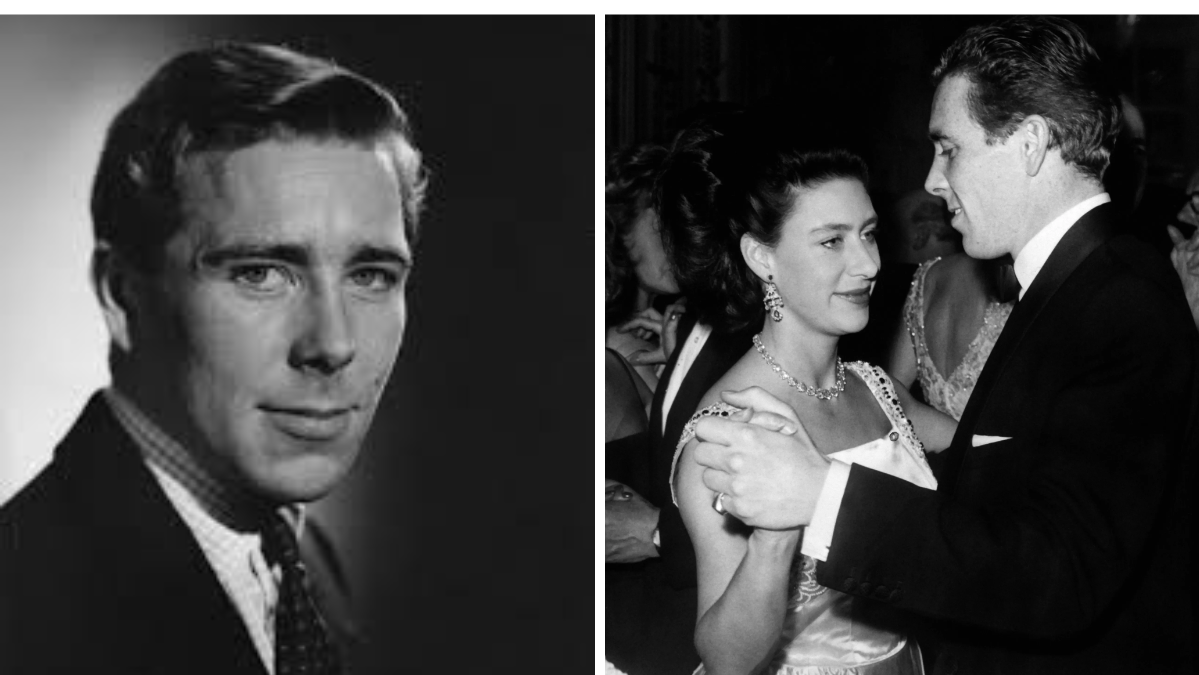
Antony Armstrong-Jones, widely known in public discourse as lord snowdon, remains one of the most influential figures in 20th-century British photography, design, and cultural documentation. His work bridged the gap between aristocratic tradition and modern artistic expression, shaping how the British Royal Family and broader society were visually represented for decades. Through a career defined by creativity, access, controversy, and innovation, lord snowdon carved a unique identity that extended far beyond royal association.
From intimate portraits of celebrities and political figures to groundbreaking design work that reimagined public spaces, his influence stretched across multiple creative fields. What makes his legacy particularly compelling is not just the fame he acquired through his marriage into the royal family, but the technical brilliance and human sensitivity embedded in his photography and design philosophy.
Understanding lord snowdon means understanding a moment in British cultural history where photography transformed from a documentary tool into a powerful form of storytelling and artistic interpretation.
Early Life and Background of lord snowdon
The early life of lord snowdon was shaped by a blend of privilege and personal challenge. Born into an upper-middle-class family in London, he experienced both the advantages of elite education and the emotional strain of family instability. These early contrasts later influenced the emotional depth found in his photographic portraits.
As he grew older, lord snowdon developed an interest in architecture, visual composition, and human expression. This interest would later evolve into a professional commitment to photography. The visual discipline he cultivated in youth became the foundation for a career that would redefine British portrait photography.
His upbringing also exposed him to the cultural shifts of post-war Britain. This environment encouraged experimentation and a departure from rigid artistic traditions, something that strongly influenced lord snowdon throughout his creative journey.
In his formative years, lord snowdon was not yet a public figure, but the seeds of his artistic identity were already taking shape through observation, education, and curiosity about human behavior.
Education and Early Creative Path
Education played a crucial role in shaping the artistic vision of lord snowdon. He attended Eton College, where he was exposed to classical academic training but found greater interest in creative expression than in traditional academic subjects. His early struggles with formal education did not hinder his growth; instead, they redirected him toward visual storytelling.
After Eton, he studied architecture at Cambridge University, a discipline that deeply influenced his photographic composition. The understanding of space, balance, and structure gained through architectural studies became evident in his later photography, where framing and spatial awareness were central.
During this period, lord snowdon began experimenting with photography more seriously. He worked in a darkroom, learning technical processes such as lighting control, exposure balance, and print development. These technical foundations were essential in establishing his future reputation as a master portrait photographer.
The transition from architecture to photography marked a pivotal moment in his life. Instead of designing buildings, he began designing visual narratives through the camera lens, a shift that defined his entire career trajectory.
Marriage to Princess Margaret and Royal Connection
The public profile of lord snowdon changed dramatically after his marriage to Princess Margaret. This union placed him at the center of British royal attention and transformed him into a globally recognized figure. While his artistic achievements were already notable, the royal connection amplified his visibility and influence.
The relationship was both glamorous and complex. On one hand, it provided access to elite social circles, artistic patrons, and global exposure. On the other hand, it placed immense pressure on his personal life and creative independence. Despite these challenges, lord snowdon continued to produce highly respected photographic work during this period.
The marriage also influenced public perception of his career. Many associated his success primarily with his royal status, although his artistic portfolio clearly demonstrated independent merit. His portraits of the Royal Family remain some of the most iconic images in British photographic history.
Even after personal separation, the connection between lord snowdon and royal circles continued to shape his public identity and professional opportunities. The duality of being both an artist and a royal insider created a unique position in cultural history.
Photography Career and Artistic Style
The photography career of lord snowdon is widely regarded as groundbreaking in modern portraiture. His style combined technical precision with emotional depth, often capturing subjects in candid, unguarded moments rather than formal poses.
He worked extensively with celebrities, politicians, writers, and performers, producing portraits that revealed personality rather than just appearance. His ability to make subjects feel comfortable allowed him to capture authenticity in a way that was rare for his time.
A defining feature of lord snowdon’s work was his innovative use of lighting and composition. He often experimented with unconventional angles, shadows, and environments, creating images that felt both intimate and cinematic. His work contributed significantly to the evolution of editorial and magazine photography in Britain.
His photographic philosophy can be summarized through a widely cited sentiment often associated with his approach: “A portrait is not made in the camera but on both sides of it.” This reflects his belief in collaboration between photographer and subject.
Over time, lord snowdon became a preferred photographer for high-profile commissions, including official royal portraits and cultural publications. His ability to balance formality with emotional realism set him apart from his contemporaries.
Design, Innovation, and Public Projects
Beyond photography, lord snowdon was deeply involved in design and public innovation. His work in industrial design and exhibition planning demonstrated a strong commitment to improving accessibility and functionality in everyday environments.
He contributed to designing public exhibitions that focused on clarity, human interaction, and visual engagement. His design philosophy emphasized usability and human-centered thinking, long before these ideas became mainstream in modern design theory.
One of his notable contributions was improving accessibility in public institutions. His designs often considered people with disabilities, ensuring that spaces were not only visually appealing but also functional for diverse users. This forward-thinking approach positioned him as a pioneer in inclusive design.
His creative work extended to furniture, interiors, and exhibition spaces, where he consistently applied principles of balance, simplicity, and purpose-driven aesthetics. These projects reinforced his reputation as more than just a photographer; he was a multidisciplinary creative thinker.
Key Works and Achievements of lord snowdon
The professional achievements of lord snowdon span photography, design, and cultural documentation. His body of work is preserved in galleries, archives, and publications that continue to influence modern visual arts.
Below is a structured overview of some key areas of his work:
| Category | Contribution | Impact |
|---|---|---|
| Portrait Photography | Royal Family and celebrity portraits | Redefined modern British portraiture |
| Editorial Work | Magazine photography and features | Elevated visual journalism standards |
| Exhibition Design | Public and museum exhibitions | Improved accessibility and engagement |
| Industrial Design | Furniture and functional objects | Promoted human-centered design |
| Documentary Work | Social and cultural documentation | Captured post-war British life |
Each of these areas demonstrates how deeply lord snowdon influenced visual culture. His ability to move between artistic disciplines allowed him to remain relevant across changing cultural landscapes.
His work is still studied in photography schools and design institutions, reflecting its lasting educational value.
Controversies, Personal Life, and Public Perception
The personal life of lord snowdon was often subject to public scrutiny. His relationships, marriages, and social connections were frequently covered by the media, sometimes overshadowing his professional achievements.
Despite public attention, he maintained a strong commitment to his creative work. However, the pressures of fame and royal association created complexities in both his personal and professional life.
Critics occasionally debated whether his royal connections influenced his career opportunities. While such discussions existed, his extensive portfolio and technical mastery provided strong evidence of independent artistic credibility.
The public perception of lord snowdon evolved over time. Initially seen primarily through the lens of royal association, he later came to be recognized more fully as a significant cultural figure in his own right.
Legacy and Cultural Impact of lord snowdon
The legacy of lord snowdon is deeply embedded in British cultural history. His work helped redefine how public figures were visually represented, moving photography toward greater emotional realism and narrative depth.
He influenced generations of photographers who adopted his approach to portraiture, emphasizing authenticity over formality. His design contributions also continue to inspire modern accessibility and exhibition planning.
Cultural historians often highlight his ability to merge aristocratic access with artistic independence. This dual identity allowed him to document a world few photographers could access, while still maintaining a personal artistic voice.
Today, lord snowdon is remembered not only for his royal connections but for his transformative impact on visual storytelling, design innovation, and modern portrait photography.
Quotes and Reflections on Art and Society
One of the most frequently referenced ideas associated with his work is the belief that photography is a collaborative act. As he once expressed in various reflections on portraiture, the success of an image depends as much on the subject’s openness as the photographer’s skill.
Another widely recognized sentiment attributed to him is: “Photography is about capturing the space between people as much as the people themselves.” This reflects his emphasis on emotional presence rather than static imagery.
His reflections on society often touched on the importance of accessibility in design and the responsibility of creators to consider the public experience. These ideas continue to resonate in contemporary discussions on inclusive design and visual communication.
Through these insights, lord snowdon positioned himself not just as an artist, but as a thinker concerned with how people interact with visual and physical environments.
FAQ
What is lord snowdon best known for?
He is best known for his portrait photography, especially of the British Royal Family and cultural figures, as well as his influential design work in public spaces and exhibitions.
How did lord snowdon influence photography?
He introduced a more natural, emotionally expressive style of portrait photography, moving away from rigid formal poses toward candid and narrative-driven imagery.
Did lord snowdon work outside photography?
Yes, he was also a respected designer involved in exhibitions, furniture design, and accessibility-focused public projects.
Why is lord snowdon historically significant?
His work documented key cultural figures of 20th-century Britain and helped reshape both photography and design through innovation and accessibility.
What was his connection to the Royal Family?
He was married to Princess Margaret, which placed him within the British Royal Family and increased his public prominence.
What is the lasting legacy of lord snowdon?
His legacy lies in transforming portrait photography, advancing inclusive design principles, and influencing modern visual storytelling across multiple disciplines.
Conclusion
The life and work of lord snowdon represent a rare blend of artistic innovation, cultural access, and historical significance. His contributions to photography and design continue to shape how visual media is understood and practiced today.
From intimate royal portraits to pioneering public design projects, his influence extended across multiple creative domains. While his personal life often attracted attention, his professional legacy stands as a testament to his skill, vision, and adaptability.